

In the ever - evolving landscape of solar energy, Passivated Emitter and Rear Cell (PERC) solar modules have emerged as a significant technological advancement. As a leading PERC Solar Modules supplier, I am often asked about the differences between first - generation and second - generation PERC solar modules. In this blog post, I will delve into the key distinctions, advantages, and applications of these two generations of PERC technology.
Technological Background
To understand the differences, we first need to grasp the basic concept of PERC technology. PERC solar cells are designed to increase the efficiency of traditional solar cells by reducing the recombination of electrons and holes on the back surface of the cell. This is achieved through the addition of a passivation layer on the rear side of the solar cell, which reflects the light back into the cell, allowing it to be absorbed and converted into electricity more effectively.
The first - generation PERC solar modules were introduced to the market as an incremental improvement over conventional solar cells. They brought about a significant increase in efficiency compared to their predecessors, typically boasting an efficiency gain of 1 - 2 percentage points. These modules utilized a relatively simple passivation layer technology and were characterized by their ability to capture more sunlight and convert it into electrical energy.
On the other hand, second - generation PERC solar modules represent a more refined and advanced version of the technology. They incorporate further improvements in the passivation layer, manufacturing processes, and cell design to achieve even higher efficiencies and better performance under various environmental conditions.
Efficiency and Performance
One of the most notable differences between the two generations is in terms of efficiency. First - generation PERC solar modules generally have an efficiency range of around 18% - 20%. This improvement over traditional solar cells was a major selling point at the time of their introduction, as it allowed for more electricity generation from the same amount of sunlight.
Second - generation PERC solar modules, however, have managed to push the efficiency boundaries even further. With advancements in materials and manufacturing techniques, these modules can achieve efficiencies of up to 22% - 24%. This means that for a given area of solar panels, second - generation PERC modules can produce significantly more electricity than their first - generation counterparts.
In terms of performance under different lighting conditions, second - generation PERC modules also have an edge. They are better at capturing diffused sunlight and can maintain a higher level of electricity generation on cloudy or overcast days. For example, during partial shading conditions, second - generation PERC modules are more efficient at reducing the power loss compared to first - generation modules.
Durability and Reliability
Durability is another important factor when considering solar modules. First - generation PERC solar modules were designed to meet the basic industry standards for durability. They were able to withstand typical environmental stresses such as temperature fluctuations, humidity, and UV radiation. However, the passivation layer in these modules was sometimes prone to degradation over time, which could lead to a gradual decrease in efficiency.
Second - generation PERC solar modules have addressed these durability issues. Through the use of more advanced materials and better encapsulation techniques, they are more resistant to environmental degradation. The passivation layer in second - generation modules is more stable, ensuring a longer lifespan and more consistent performance over the years. This makes them a more reliable choice for long - term solar energy installations.
Cost and Market Availability
When it comes to cost, first - generation PERC solar modules were initially more expensive than conventional solar cells due to the added technology. However, as the production volume increased and the technology became more widespread, the cost started to come down. Today, they are still a cost - effective option for many solar energy projects, especially for those with budget constraints.

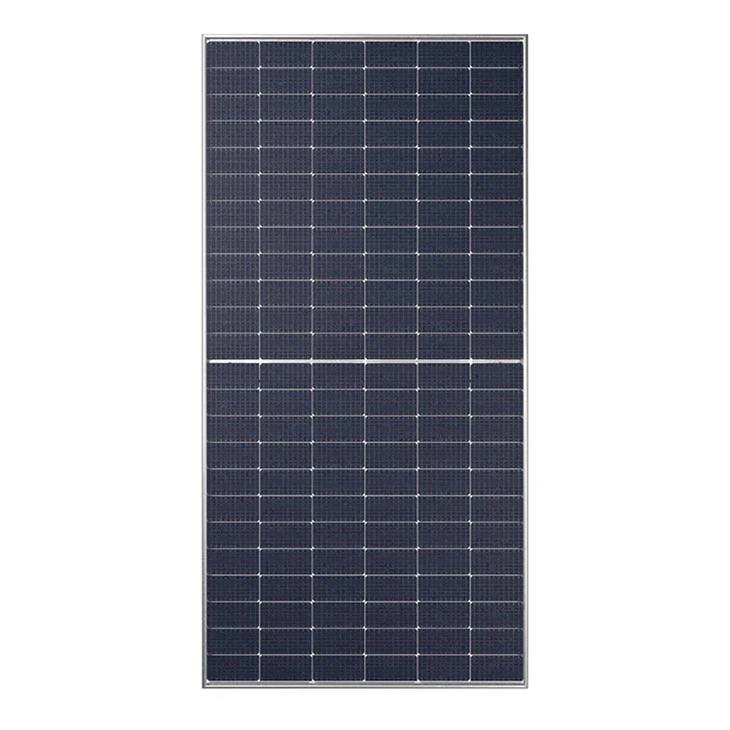
Second - generation PERC solar modules, on the other hand, are generally more expensive than first - generation ones. The advanced technology and higher efficiency come at a price. However, the increased electricity generation they offer can often offset the higher upfront cost over the long term. In terms of market availability, first - generation PERC modules are more commonly found in the market, especially in regions where cost is a major consideration. Second - generation modules are becoming more popular, but their supply is still relatively limited compared to first - generation modules.
Applications
The differences in efficiency, performance, and cost also influence the applications of these two generations of PERC solar modules. First - generation PERC solar modules are well - suited for small - scale residential solar installations and some commercial applications where cost is a primary concern. For example, they can be a great choice for homeowners who want to reduce their electricity bills with a relatively affordable solar energy system.
Second - generation PERC solar modules, with their higher efficiency and better performance, are more suitable for large - scale solar power plants and applications where space is limited. In large - scale solar farms, the increased electricity generation per unit area can lead to significant cost savings in the long run. They are also ideal for 100W Solar Panels for RV Campers, where the available space for solar panels is often limited.
Comparison with Other Solar Module Technologies
To put the differences between first - generation and second - generation PERC solar modules into perspective, it is also useful to compare them with other solar module technologies. For example, Conventional Solar Module 535 - 555W Bifacial PERC offers the advantage of being able to generate electricity from both sides of the module, capturing sunlight reflected from the ground or other surfaces. While first - generation PERC modules are generally monofacial, second - generation PERC modules can be designed as bifacial modules, further enhancing their electricity generation capabilities.
Another technology is Conventional Solar Module 565 - 595W Bifacial Topcon. Topcon technology provides high efficiency and low - temperature coefficient, similar to second - generation PERC modules. However, second - generation PERC modules have the advantage of being more cost - effective in some cases, especially when considering the large - scale production and market penetration of PERC technology.
Conclusion and Call to Action
In conclusion, the differences between first - generation and second - generation PERC solar modules are significant in terms of efficiency, performance, durability, cost, and applications. First - generation PERC modules offer a cost - effective solution for many solar energy projects, while second - generation PERC modules provide higher efficiency and better performance, making them suitable for more demanding applications.
As a PERC Solar Modules supplier, we are committed to providing our customers with the best - in - class solar modules. Whether you are looking for a cost - effective first - generation PERC module or a high - performance second - generation PERC module, we have the expertise and products to meet your needs. If you are interested in purchasing PERC solar modules for your project, please contact us for a detailed quote and to discuss your specific requirements. We look forward to working with you to make your solar energy dreams a reality.
References
- Green, M. A., Emery, K., Hishikawa, Y., Warta, W., & Dunlop, E. D. (2014). Solar cell efficiency tables (version 42). Progress in Photovoltaics: Research and Applications, 22(1), 1 - 9.
- Jain, A., & Kapoor, A. (2017). A review on recent advancements in PERC solar cell technology. Renewable and Sustainable Energy Reviews, 72, 1103 - 1112.