

As a supplier of lightweight solar panels, ensuring the safe transportation of these delicate yet powerful energy - harvesting devices is of utmost importance. In this blog, I'll share some valuable insights and practices on how to transport lightweight solar panels safely, drawing on my experiences in the industry.
Understanding the Nature of Lightweight Solar Panels
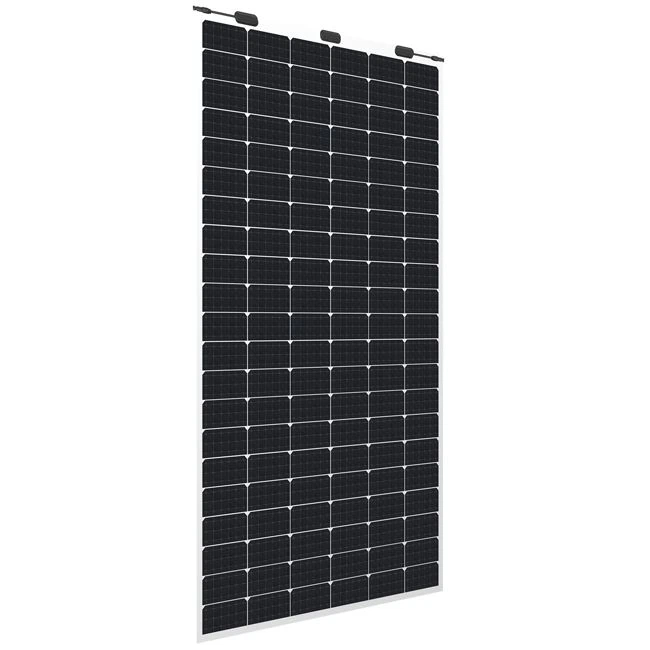
Lightweight solar panels are designed to be more portable and easier to install compared to Conventional Solar Module 565 - 595W Bifacial Topcon. They are often made using advanced materials such as thin - film technologies or lightweight composites. However, their lightweight nature also means they can be more vulnerable to damage during transportation. These panels are typically thinner and more flexible than traditional ones, which makes them prone to scratches, cracks, and bending if not handled properly.
Pre - transportation Preparations
Inspection
Before packing the solar panels for transportation, a thorough inspection is crucial. Check for any visible signs of damage, such as cracks, chips, or loose connections. Even minor damage can affect the performance of the panels, so it's essential to identify and address these issues before shipping. If any damage is found, it should be repaired or the panel should be removed from the shipment to avoid further problems.
Cleaning
Cleaning the solar panels is another important step. Dust, dirt, and debris can not only scratch the surface during transportation but also reduce the efficiency of the panels. Use a soft, non - abrasive cloth and a mild cleaning solution to gently wipe the panels. Make sure they are completely dry before packing to prevent moisture - related damage.
Packaging
Proper packaging is the first line of defense in protecting lightweight solar panels during transportation. Use high - quality, custom - made packaging materials that are specifically designed for solar panels. Foam inserts can provide excellent cushioning to absorb shocks and vibrations. The panels should be placed in individual compartments within the packaging to prevent them from rubbing against each other. Additionally, the outer packaging should be sturdy enough to withstand external pressures and impacts.
Choosing the Right Transportation Method
Land Transportation
For short - to medium - distance shipments, land transportation is often a popular choice. Trucks are a common mode of transport for solar panels. When using trucks, ensure that the vehicle is well - maintained and has a smooth ride. The panels should be secured properly to prevent them from shifting during transit. Straps or brackets can be used to hold the panels in place. It's also important to choose a truck with a climate - controlled environment if possible, especially when transporting the panels in extreme weather conditions.
Air Transportation
Air transportation is ideal for long - distance or international shipments. It offers a faster delivery time, which can reduce the risk of damage due to extended transit periods. However, air transportation also has its challenges. The panels need to be packed even more carefully to meet the strict regulations of airlines. The packaging should be lightweight but still provide adequate protection. Airlines may also have specific requirements regarding the size and weight of the packages, so it's important to check these in advance.
Sea Transportation
Sea transportation is a cost - effective option for large - scale shipments. When shipping solar panels by sea, they are usually packed in containers. The containers should be properly sealed to prevent water ingress. It's also important to secure the panels within the container to prevent them from moving around during the rough sea journey. Consider using shock - absorbing materials to further protect the panels from the vibrations and impacts associated with sea travel.
Handling During Transportation
Loading and Unloading
The loading and unloading process is a critical stage where damage can easily occur. Trained personnel should be responsible for these tasks. They should use proper lifting equipment, such as forklifts or cranes, to handle the panels. When lifting the panels, make sure to support them evenly to avoid bending or breaking. The panels should be loaded and unloaded in a controlled environment to minimize the risk of accidents.
Monitoring
During transportation, it's important to monitor the condition of the panels. This can be done through various means, such as using sensors to detect shocks, vibrations, and temperature changes. Real - time monitoring allows for immediate action to be taken if any issues are detected. For example, if the sensors indicate excessive vibrations, the transportation company can adjust the route or the way the panels are secured.
Special Considerations for Flexible Solar Module
Flexible solar modules have unique characteristics that require special attention during transportation. These panels are more bendable than rigid ones, but they are also more fragile. When packing flexible solar modules, use a soft, padded container to prevent them from being bent too sharply. Avoid folding the panels unless it is specifically designed to be folded. During transportation, make sure that the panels are not subjected to excessive pressure or torsion.
Post - transportation Checks
Once the solar panels reach their destination, another inspection should be carried out. Check for any signs of damage that may have occurred during transportation. If any damage is found, document it immediately and contact the transportation company or the insurance provider if necessary. This step is crucial for ensuring that the customer receives high - quality, undamaged solar panels.

Conclusion
Transporting lightweight solar panels safely requires a comprehensive approach that includes pre - transportation preparations, choosing the right transportation method, proper handling during transit, and post - transportation checks. By following these guidelines, we can minimize the risk of damage and ensure that our customers receive solar panels that are in perfect working condition.
If you are interested in purchasing our lightweight solar panels or have any questions about their transportation, please feel free to contact us for a detailed discussion. We are committed to providing you with the best products and services in the solar energy industry.
References
- "Solar Panel Installation and Maintenance Guide" - Industry - specific handbook
- "Transportation Best Practices for Fragile Goods" - Logistics research publication