

Hey there! As a supplier of lightweight solar panels, I often get asked whether these panels are compatible with existing solar systems. It's a great question, and one that I'm more than happy to dive into.
First off, let's talk a bit about what lightweight solar panels are. These bad boys are a relatively new innovation in the solar game. They're made using advanced materials and manufacturing techniques that allow them to be much lighter than traditional solar panels. This makes them super versatile - you can use them on all sorts of structures where heavy panels just wouldn't work, like RVs, boats, and even some rooftops with weight restrictions.
Now, when it comes to compatibility with existing solar systems, the answer isn't a simple yes or no. It depends on a few different factors.
1. Electrical Compatibility
One of the most important aspects of compatibility is electrical. Existing solar systems are designed to work with a certain range of voltages and currents. Lightweight solar panels need to be able to produce electricity within that same range.
Most modern lightweight solar panels are engineered to be pretty flexible in terms of their electrical output. They come with adjustable voltage settings and can often be configured to match the requirements of an existing system. However, it's always a good idea to check the specifications of both your existing system and the lightweight panels you're considering.
For example, if your existing system is designed to work with panels that produce a voltage of around 24 volts, you'll want to make sure the lightweight panels can output a similar voltage. Some lightweight panels, like our Lightweight All Black Solar Module, are designed with this in mind and can be easily integrated into a wide range of systems.
2. Mounting Compatibility
Another crucial factor is mounting. Existing solar systems usually have a specific mounting structure in place. Lightweight panels need to be able to fit onto that structure or be adaptable to a new one that can co - exist with the old setup.
The good news is that many lightweight solar panels are designed with flexibility in mind. They often come with different mounting options, such as adhesive backing or adjustable brackets. This means that in many cases, they can be easily attached to the existing mounting system of your solar setup.
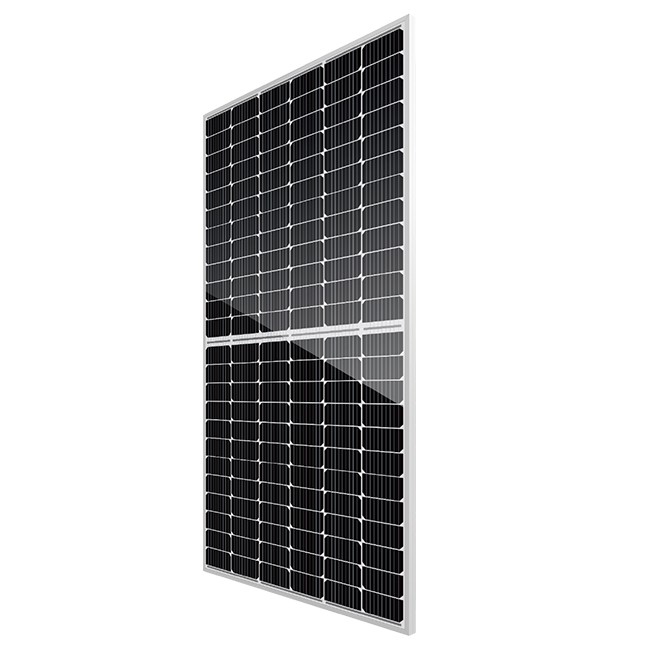
However, if your existing system has a very unique or custom - made mounting structure, you might need to do a bit more work. You could consult with a professional installer to see if modifications can be made to accommodate the lightweight panels. For instance, if you have a Conventional Solar Module 565 - 595W Bifacial Topcon installed with a specific mounting system, our lightweight panels can potentially be adjusted to fit alongside it.
3. Inverter Compatibility
The inverter is the heart of a solar system. It takes the direct current (DC) electricity produced by the solar panels and converts it into alternating current (AC) electricity that can be used in your home or business.
Just like with electrical compatibility, the inverter needs to be able to handle the input from the lightweight panels. Most modern inverters are quite adaptable and can work with a variety of panel types. But again, it's important to double - check.
Some lightweight panels have a different power output profile compared to traditional panels. This means that the inverter might need to be adjusted or, in some cases, replaced. If you're unsure, it's best to consult with an inverter manufacturer or a solar professional. Our 200W Solar Panel for RV is designed to be compatible with many common inverters, but it's still worth doing your due diligence.
Advantages of Adding Lightweight Panels to Existing Systems
If you can get the compatibility issues sorted out, there are some great benefits to adding lightweight solar panels to an existing system.
Increased Efficiency
Lightweight panels often use the latest in solar cell technology, which can be more efficient at converting sunlight into electricity. By adding them to your existing system, you can boost the overall power output of your solar setup.
Versatility
As I mentioned earlier, lightweight panels can be used in places where traditional panels can't. This means you can expand your solar energy collection to areas that were previously off - limits. For example, if you have a part of your roof that can't support the weight of heavy panels, you can install lightweight ones there instead.
Cost - Effectiveness
In some cases, adding lightweight panels can be a more cost - effective way to expand your solar system. They're often less expensive to purchase and install compared to completely replacing your existing system with new, high - capacity panels.

Potential Challenges
Of course, there are also some potential challenges when it comes to integrating lightweight panels with existing systems.
System Monitoring
If you add lightweight panels to an existing system, you might need to adjust your system monitoring setup. Different panels can have different performance characteristics, and you'll want to be able to track the output of each type of panel separately. This might require additional monitoring equipment or software.
Warranty and Support
When you mix different types of panels in a system, it can sometimes complicate the warranty and support situation. Make sure you understand the warranty terms of both your existing panels and the lightweight panels you're adding. You'll want to know who to contact if there are any issues with the system.
Conclusion
So, are lightweight solar panels compatible with existing solar systems? In most cases, the answer is yes, but it depends on a number of factors. With careful planning, proper installation, and a bit of technical know - how, you can successfully integrate lightweight panels into your existing setup.
If you're thinking about adding lightweight solar panels to your system, I'd love to help. We have a wide range of lightweight solar panels that are designed to be as compatible as possible with existing systems. Whether you're looking to expand your home solar system, power your RV, or add solar to a unique structure, we've got you covered.
If you have any questions or want to discuss your specific needs, don't hesitate to reach out. We're here to make the process of going solar as easy and hassle - free as possible. Let's work together to create a more sustainable future with solar energy!
References
- Solar Energy Industries Association (SEIA) reports on solar panel technology and compatibility
- Manufacturer specifications of lightweight and conventional solar panels
- Industry research on solar system integration and performance