

Lightweight solar panels have emerged as a revolutionary technology in the renewable energy sector, offering flexibility, ease of installation, and high efficiency. As a supplier of lightweight solar panels, I often encounter the question: Can lightweight solar panels be used in areas with low sunlight? This blog post aims to explore this query in depth, providing a comprehensive analysis based on scientific evidence and real - world applications.
Understanding Lightweight Solar Panels
Lightweight solar panels are designed to be more portable and efficient compared to traditional solar panels. They are typically made from thin - film photovoltaic cells, which are lighter and more flexible. These panels are well - suited for a variety of applications, including RVs, boats, and off - grid installations. For instance, our 200W Solar Panel for RV is a popular choice among RV enthusiasts due to its lightweight and high - performance features.
The Science of Solar Energy in Low - Sunlight Areas
To understand the viability of lightweight solar panels in low - sunlight areas, we need to delve into the science of solar energy conversion. Solar panels work by converting sunlight into electricity through the photovoltaic effect. The amount of electricity generated depends on several factors, including the intensity of sunlight, the efficiency of the solar cells, and the angle of the panels.
In low - sunlight areas, the intensity of sunlight is lower, which means that solar panels will generate less electricity compared to areas with high sunlight. However, lightweight solar panels have some advantages that make them suitable for these conditions. Their thin - film technology allows them to perform better in low - light conditions compared to traditional crystalline silicon panels. Thin - film solar cells can absorb a broader spectrum of light, including diffuse sunlight, which is more prevalent in low - sunlight areas.
Efficiency and Performance in Low - Sunlight
The efficiency of a solar panel is a crucial factor in determining its performance in low - sunlight areas. Efficiency refers to the percentage of sunlight that is converted into electricity. Lightweight solar panels, especially those made from advanced thin - film materials, can have relatively high efficiency even in low - light conditions.
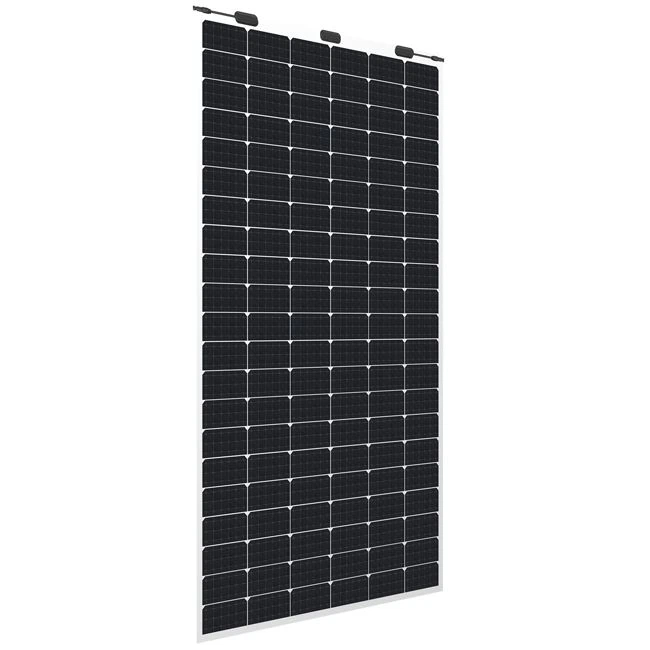
Our Flexible Solar Module is designed to maximize energy production in various lighting conditions. It has a high - efficiency thin - film technology that can capture and convert more sunlight into electricity, even when the sunlight is weak. This makes it an ideal choice for areas with low sunlight.

Real - World Applications in Low - Sunlight Areas
There are numerous real - world examples of lightweight solar panels being used successfully in low - sunlight areas. For example, in northern regions where sunlight is limited during certain seasons, lightweight solar panels have been installed on rooftops and in off - grid cabins. These panels can still generate a significant amount of electricity to power essential appliances and systems.
In addition, lightweight solar panels are also used in marine applications, where sunlight can be intermittent due to cloud cover and the movement of the boat. Our lightweight panels have been proven to be reliable in these conditions, providing a consistent source of power for boats and yachts.
Factors Affecting Performance in Low - Sunlight
While lightweight solar panels have the potential to perform well in low - sunlight areas, there are several factors that can affect their performance. One of the main factors is the orientation and tilt of the panels. In low - sunlight areas, it is crucial to optimize the orientation of the panels to maximize sunlight exposure. For example, panels should be tilted towards the sun to capture as much sunlight as possible.
Another factor is the temperature. Solar panels generally perform better in cooler temperatures. In low - sunlight areas, the temperature is often lower, which can be beneficial for the performance of the panels. However, extreme cold can also have a negative impact on the efficiency of the panels, so it is important to choose panels that are designed to withstand low temperatures.
Comparison with Conventional Solar Modules
When considering the use of lightweight solar panels in low - sunlight areas, it is important to compare them with conventional solar modules. Conventional solar modules, such as our Conventional Solar Module 565 - 595W Bifacial Topcon, are typically made from crystalline silicon and are heavier and less flexible.
In low - sunlight areas, lightweight solar panels may have an advantage over conventional solar modules. Their ability to absorb diffuse sunlight and perform well in low - light conditions makes them a more suitable option. However, conventional solar modules may have higher efficiency in high - sunlight areas, so the choice between the two depends on the specific location and requirements.
Cost - Benefit Analysis
The cost - benefit analysis of using lightweight solar panels in low - sunlight areas is an important consideration. While lightweight solar panels may have a higher upfront cost compared to some conventional solar modules, they can offer long - term savings. Their lower weight and ease of installation can reduce installation costs, and their ability to generate electricity in low - sunlight conditions can provide a reliable source of power, reducing the need for grid - connected electricity.
Conclusion
In conclusion, lightweight solar panels can indeed be used in areas with low sunlight. Their thin - film technology, high efficiency in low - light conditions, and flexibility make them a viable option for a variety of applications in these areas. While there are factors that can affect their performance, such as orientation, tilt, and temperature, proper installation and selection of the right panels can ensure optimal performance.
If you are interested in learning more about our lightweight solar panels or have any questions about using them in low - sunlight areas, we encourage you to contact us for a detailed discussion. Our team of experts is ready to assist you in finding the best solar solution for your specific needs.