

Hey there! As a supplier of non - standard solar panels, I often get asked whether these non - standard solar panels are compatible with battery storage systems. It's a super important question, especially for those looking to set up an off - grid or hybrid solar power system. Let's dig into this topic and find out more.
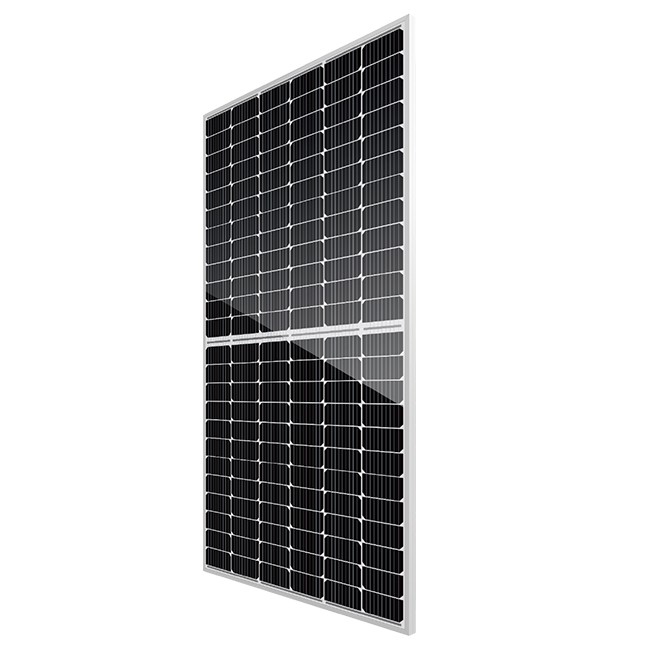

First off, what are non - standard solar panels? Well, unlike the conventional solar panels you usually see in large solar farms or on standard rooftops, non - standard solar panels come in various shapes, sizes, and power outputs. They're designed to meet specific needs that the standard ones can't fulfill. For example, you might need a solar panel that fits into a small, irregularly shaped space on your RV or boat. That's where non - standard solar panels shine.
Now, let's talk about battery storage systems. These systems are crucial for solar power users because they store the excess electricity generated by the solar panels during the day. This stored energy can then be used at night or during cloudy days when the solar panels aren't producing as much power. There are different types of battery storage systems, such as lead - acid batteries, lithium - ion batteries, and flow batteries, each with its own pros and cons.
So, are non - standard solar panels compatible with battery storage systems? The short answer is yes, in most cases. But there are a few things to consider.
Voltage and Current Compatibility
One of the most important factors is the voltage and current output of the solar panels. Battery storage systems have specific voltage and current requirements. For example, a typical 12 - volt battery system needs solar panels that can supply a compatible voltage. Non - standard solar panels can be designed to match these requirements. However, you need to make sure that the maximum power point tracking (MPPT) charge controller, which is used to regulate the power flow from the solar panels to the batteries, can handle the voltage and current output of the non - standard panels.
If the voltage is too high or too low, it can affect the charging efficiency and even damage the batteries. So, when you're choosing non - standard solar panels for a battery storage system, it's essential to check the specifications and work with a professional if needed.
Power Output and Battery Capacity
Another thing to think about is the power output of the solar panels and the capacity of the battery storage system. The power output of non - standard solar panels can vary widely depending on their size, design, and the type of solar cells used. You need to make sure that the solar panels can generate enough power to charge the batteries within a reasonable time frame.
For instance, if you have a small battery bank, you might not need high - power non - standard solar panels. On the other hand, if you have a large battery storage system or high energy demands, you'll need solar panels with a higher power output. You can check out our 200W Solar Panel for RV and 100W Solar Panels for RV Campers to get an idea of the different power options available.
Charge Controller Compatibility
The charge controller plays a vital role in the compatibility between non - standard solar panels and battery storage systems. As mentioned earlier, an MPPT charge controller is commonly used to optimize the power transfer from the solar panels to the batteries. However, not all charge controllers are created equal.
Some charge controllers are designed to work with specific types of solar panels and battery systems. When using non - standard solar panels, you need to choose a charge controller that can handle the unique characteristics of these panels. It should be able to adjust the charging parameters based on the panel's voltage, current, and power output to ensure efficient and safe charging of the batteries.
Environmental Factors
Environmental factors can also affect the compatibility between non - standard solar panels and battery storage systems. Non - standard solar panels are often used in specialized applications where they might be exposed to harsh conditions, such as extreme temperatures, high humidity, or saltwater. These conditions can impact the performance of both the solar panels and the batteries.
For example, high temperatures can reduce the efficiency of solar panels and shorten the lifespan of batteries. You need to choose non - standard solar panels and battery storage systems that are designed to withstand the environmental conditions of your location. Additionally, proper installation and maintenance are crucial to ensure the long - term performance and compatibility of the system.
Advantages of Using Non - Standard Solar Panels with Battery Storage Systems
There are several advantages to using non - standard solar panels with battery storage systems. Firstly, they offer more flexibility in terms of installation. You can install non - standard solar panels in places where standard panels won't fit, such as on curved surfaces or in small spaces. This allows you to maximize the use of available space and generate more solar power.
Secondly, non - standard solar panels can be customized to meet your specific energy needs. Whether you're powering a small RV or a large off - grid cabin, you can get solar panels with the right power output and design. This customization can lead to a more efficient and cost - effective solar power system.
Real - World Examples
Let's take a look at some real - world examples of how non - standard solar panels are used with battery storage systems. Many RV owners are turning to non - standard solar panels to power their vehicles. These panels can be installed on the roof or side of the RV, and the excess power is stored in a battery bank. This allows the RV to have a reliable source of electricity even when it's parked in a remote area without access to the grid.
Another example is in the marine industry. Boats often have limited space and unique shapes, making non - standard solar panels a perfect solution. The solar panels can charge the boat's battery, which is used to power the lights, navigation equipment, and other electrical appliances on board.
Comparing with Conventional Solar Modules
While non - standard solar panels have their advantages, it's also important to compare them with conventional solar modules. Conventional solar modules, like the Conventional Solar Module 565 - 595W Bifacial Topcon, are mass - produced and have well - established performance and reliability. They are often more cost - effective for large - scale solar installations.
However, non - standard solar panels offer more flexibility and customization options. If you have a specific application that requires a non - standard size or design, then non - standard panels are the way to go.
Conclusion
In conclusion, non - standard solar panels are generally compatible with battery storage systems, but there are several factors to consider, such as voltage and current compatibility, power output, charge controller compatibility, and environmental factors. By carefully choosing the right components and working with a professional if needed, you can create a reliable and efficient solar power system that meets your specific needs.
If you're interested in purchasing non - standard solar panels for your battery storage system, I'd love to have a chat with you. I can help you choose the right panels and provide you with all the information you need for a successful installation. Don't hesitate to reach out to discuss your requirements and start your journey towards a more sustainable energy future.
References
- "Solar Photovoltaic Systems: Design and Installation" by John Wiles
- "Battery Storage for Renewable Energy Systems" by David Linden