

Hey there! As a supplier of flexible solar modules, I often get asked about the wind resistance of these nifty little energy - harvesters. So, let's dive right into it and figure out what makes flexible solar modules stand up (or not) to the wind.
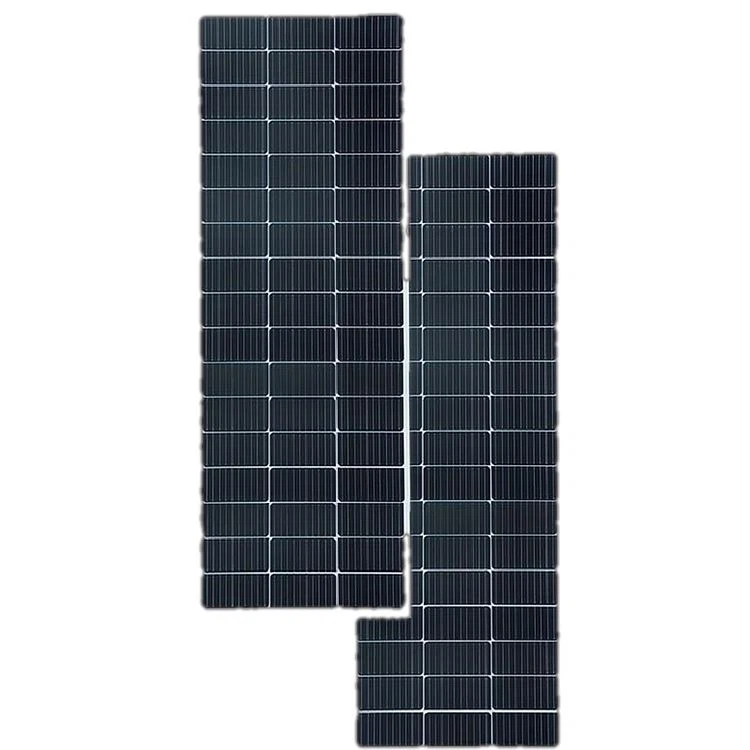
First off, what exactly are flexible solar modules? Well, they're a type of solar panel that can bend and flex, unlike the rigid Conventional Solar Module 540 - 555W Mono PERC you might be used to seeing on rooftops. They're made with thin - film solar cells that are sandwiched between layers of flexible material. This design gives them a lot of advantages, like being lightweight and easy to install on curved surfaces. You can even use them on things like RVs, boats, or tents. Check out our 150 Watt Solar Panel for RV for a great example of a flexible solar module in action.
Now, let's talk about wind resistance. Wind resistance, also known as aerodynamic drag, is the force that opposes an object's motion through the air. When it comes to solar panels, wind can cause all sorts of problems. It can push panels off their mounts, damage them, or even reduce their efficiency. For flexible solar modules, wind resistance is a critical factor because of their unique design.
The wind resistance of a flexible solar module depends on several factors. The first is the shape of the module. Unlike rigid panels, which are usually rectangular and flat, flexible solar modules can have various shapes. A module with a smooth, aerodynamic shape will generally have lower wind resistance than one with a more irregular shape. The curvature of the module also plays a role. A slightly curved module can sometimes be more aerodynamic than a flat one, as it can direct the wind over the surface more smoothly.
Another important factor is the material used in the module. The outer layers of a flexible solar module need to be strong enough to withstand the force of the wind. Most flexible solar modules use high - quality polymers or fiberglass, which are lightweight yet durable. These materials can resist tearing and abrasion caused by the wind, ensuring that the module remains intact even in high - wind conditions.
The installation method also affects wind resistance. Proper installation is crucial for ensuring that a flexible solar module can withstand the wind. When installing a flexible solar module, it's essential to use the right mounting hardware and follow the manufacturer's instructions carefully. For example, some modules are designed to be glued directly to a surface, while others use brackets or clips. The way the module is attached to the surface can significantly impact its ability to resist wind forces.
Let's take a look at some real - world scenarios. Suppose you're using a flexible solar module on an RV. When the RV is moving, it creates its own wind as it cuts through the air. This wind can put a lot of stress on the solar module. That's why it's important to choose a module with good wind resistance. Our Lightweight Solar Panels are designed to be aerodynamic and durable, making them a great choice for RV applications.
In high - wind areas, such as coastal regions or mountainous areas, the wind resistance of a flexible solar module becomes even more critical. In these areas, the wind can reach speeds of over 100 miles per hour during storms. A flexible solar module installed in such an area needs to be able to withstand these extreme conditions. Manufacturers often test their modules in wind tunnels to ensure that they can meet the required standards for wind resistance.
To measure the wind resistance of a flexible solar module, manufacturers use a variety of methods. One common method is to use a wind tunnel, where the module is placed in a controlled environment and subjected to different wind speeds and directions. The force exerted on the module is then measured using sensors. Another method is to use computer simulations, which can predict the wind resistance of a module based on its shape, material, and installation method.
When it comes to purchasing a flexible solar module, it's important to consider the wind resistance rating. Most manufacturers will provide this information in the product specifications. A higher wind resistance rating means that the module is better able to withstand strong winds. However, it's also important to consider other factors, such as the module's efficiency, durability, and price.
As a supplier of flexible solar modules, I can tell you that we take wind resistance very seriously. We work closely with our manufacturers to ensure that our modules are designed and tested to meet the highest standards of wind resistance. Whether you're looking for a solar panel for your RV, boat, or home, we have a wide range of options to choose from.
If you're interested in purchasing flexible solar modules or have any questions about wind resistance, feel free to get in touch with us. We're here to help you make the right choice for your energy needs.
In conclusion, the wind resistance of flexible solar modules is a complex but important topic. It depends on factors such as shape, material, and installation method. By understanding these factors, you can make an informed decision when choosing a flexible solar module. Whether you're in a high - wind area or just want a reliable energy source for your mobile applications, our flexible solar modules are designed to meet your needs.

If you're ready to take the next step and start using solar energy, don't hesitate to contact us for more information. We're always happy to answer your questions and help you find the perfect solar solution for your situation.
References
- "Solar Energy: Fundamentals, Technologies, and Systems" by Antonio Luque and Steven Hegedus
- "Renewable Energy: Principles, Processes, and Prospects" by Godfrey Boyle