

Quality control is a critical aspect of any product, and when it comes to the solar system for RVs, it's no different. As a supplier of solar systems for RVs, I understand the importance of ensuring that our products meet the highest standards of quality and performance. In this blog post, I'll delve into what quality control means for solar systems in RVs, the processes we follow, and why it matters for our customers.
Understanding the Basics of Solar Systems for RVs
Before we dive into quality control, let's briefly understand what a solar system for an RV is. An RV solar system is designed to capture sunlight and convert it into electricity, which can be used to power various appliances and devices inside the recreational vehicle. It typically consists of solar panels, a charge controller, a battery bank, and an inverter. The solar panels collect sunlight and generate direct current (DC) electricity, which is then regulated by the charge controller to prevent overcharging of the batteries. The batteries store the electricity for later use, and the inverter converts the DC electricity into alternating current (AC) electricity, which is what most household appliances use.
Why Quality Control Matters
Quality control is essential for several reasons. First and foremost, it ensures the safety of our customers. A poorly made solar system can pose a fire hazard or cause electrical shocks, which can be extremely dangerous. By implementing strict quality control measures, we can identify and eliminate any potential safety risks before the products reach the market.
Secondly, quality control ensures the reliability and performance of our solar systems. RV owners rely on their solar systems to power their appliances and devices while on the road, and a system that doesn't work properly can be a major inconvenience. By testing and inspecting our products thoroughly, we can ensure that they meet or exceed industry standards and provide consistent performance over time.
Finally, quality control helps us build trust and credibility with our customers. When customers purchase a solar system from us, they expect it to be of high quality and to work as advertised. By delivering on our promise of quality, we can build long-term relationships with our customers and establish ourselves as a reputable supplier in the market.
Our Quality Control Processes
At our company, we have a comprehensive quality control system in place to ensure that every solar system we produce meets our high standards. Here are some of the key steps in our quality control process:
1. Component Selection
The first step in our quality control process is selecting the right components for our solar systems. We only source our components from reputable manufacturers who have a proven track record of producing high-quality products. We carefully evaluate each component based on its performance, durability, and compatibility with our other components. For example, when selecting solar panels, we look for panels that have a high efficiency rating, are made from high-quality materials, and are designed to withstand harsh environmental conditions.
2. Incoming Inspection
Once the components arrive at our facility, we conduct a thorough incoming inspection to ensure that they meet our specifications. We check each component for any visible defects or damage, and we also perform functional tests to ensure that they work properly. If any components fail our inspection, we reject them and send them back to the supplier.
3. Assembly and Testing
After the components pass our incoming inspection, they are assembled into a complete solar system. During the assembly process, we follow strict quality control procedures to ensure that each system is assembled correctly and that all components are properly connected. Once the system is assembled, we perform a series of tests to ensure that it meets our performance standards. These tests include electrical performance tests, such as measuring the output voltage and current of the solar panels, and functional tests, such as testing the charge controller and inverter.
4. Final Inspection
Before the solar system is shipped to the customer, we conduct a final inspection to ensure that it is in perfect condition. We check the system for any cosmetic defects, such as scratches or dents, and we also perform a final functional test to ensure that it works properly. If the system passes our final inspection, it is packaged and shipped to the customer.
Quality Control for Specific Products
Let's take a closer look at some of our specific products and how we ensure their quality.
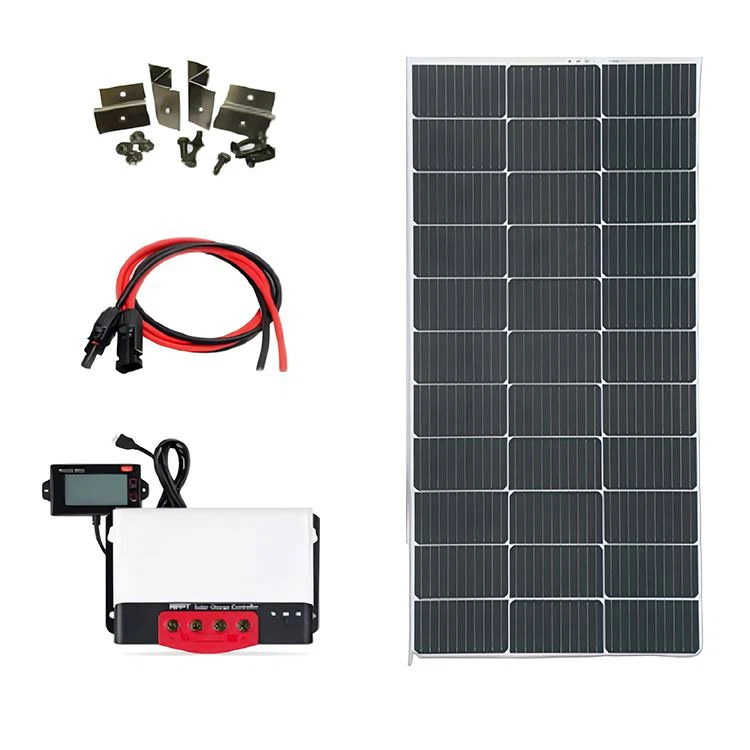

600 Watt Solar Panel Kit for RV
Our 600 Watt Solar Panel Kit for RV is a popular choice among RV owners who need a high-capacity solar system. To ensure the quality of this kit, we start by selecting high-efficiency solar panels that are designed to generate maximum power in a variety of conditions. We also use a high-quality charge controller and inverter to ensure that the electricity generated by the solar panels is properly regulated and converted. During the assembly process, we pay close attention to the wiring and connections to ensure that they are secure and free from any defects. Once the kit is assembled, we perform a series of tests to ensure that it meets our performance standards, including testing the output power of the solar panels and the efficiency of the charge controller and inverter.
Solar Charge Ebike
Our Solar Charge Ebike is a unique product that combines the convenience of an electric bike with the sustainability of solar power. To ensure the quality of this product, we use high-quality solar panels that are lightweight and flexible, making them ideal for mounting on the rooftop of the ebike. We also use a high-capacity battery and a powerful motor to ensure that the ebike has a long range and can handle steep hills. During the assembly process, we pay close attention to the integration of the solar panels, battery, and motor to ensure that they work together seamlessly. Once the ebike is assembled, we perform a series of tests to ensure that it meets our performance standards, including testing the charging time of the battery and the speed and range of the ebike.
400 Watt Solar Panel Kit for RV
Our 400 Watt Solar Panel Kit for RV is a more compact and affordable option for RV owners who don't need as much power. To ensure the quality of this kit, we use high-quality solar panels that are designed to be efficient and durable. We also use a reliable charge controller and inverter to ensure that the electricity generated by the solar panels is properly regulated and converted. During the assembly process, we pay close attention to the size and weight of the components to ensure that the kit is easy to install and transport. Once the kit is assembled, we perform a series of tests to ensure that it meets our performance standards, including testing the output power of the solar panels and the efficiency of the charge controller and inverter.
Conclusion
In conclusion, quality control is a crucial part of our business as a supplier of solar systems for RVs. By implementing strict quality control measures at every stage of the production process, we can ensure that our products are safe, reliable, and perform as expected. Whether you're looking for a high-capacity solar system for your RV or a unique solar-powered ebike, you can trust us to provide you with a product that meets your needs and exceeds your expectations.
If you're interested in learning more about our solar systems for RVs or would like to discuss your specific requirements, please don't hesitate to contact us. We'd be happy to answer any questions you may have and help you find the right solar system for your needs.
References
- "Solar Power for RVs: A Beginner's Guide." SolarReviews.
- "How to Choose the Right Solar Panel for Your RV." RV Lifestyle.
- "Quality Control in the Solar Industry." Solar Energy Industries Association.