

Yo, folks! As a supplier of flexible solar modules, I get asked a lot about how these nifty things hold up over time. One of the burning questions is: What's the efficiency degradation rate of flexible solar modules as the years roll by? Let's dig into this topic and shed some light on it.
First off, let's talk about what efficiency degradation actually means. In simple terms, it's the decrease in a solar module's ability to convert sunlight into electricity over time. It's like a car losing a bit of its oomph as it racks up the miles. For flexible solar modules, this degradation can be influenced by a bunch of factors.
One major factor is the environment. Flexible solar modules are often used in all sorts of places, from rooftops to portable chargers. They're exposed to the elements - sun, rain, wind, and even extreme temperatures. UV rays from the sun can break down the materials in the module, causing a drop in efficiency. High temperatures can also mess with the electrical performance of the cells. And if the module gets wet and isn't properly protected, it can lead to corrosion and other issues that affect efficiency.
Another factor is the quality of the materials used in the module. Cheaper materials might not hold up as well over time. At our company, we use high - quality materials to make sure our flexible solar modules are durable. We test them rigorously to ensure they can withstand different environmental conditions.
Now, let's get into the numbers. The efficiency degradation rate of flexible solar modules can vary quite a bit. On average, most good - quality flexible solar modules have an annual degradation rate of around 0.5% to 1%. That means if you start with a module that's 20% efficient, after 10 years, it might be around 19% - 19.5% efficient. But this is just a general range. Some modules might degrade faster, especially if they're in a harsh environment or made with lower - quality materials.
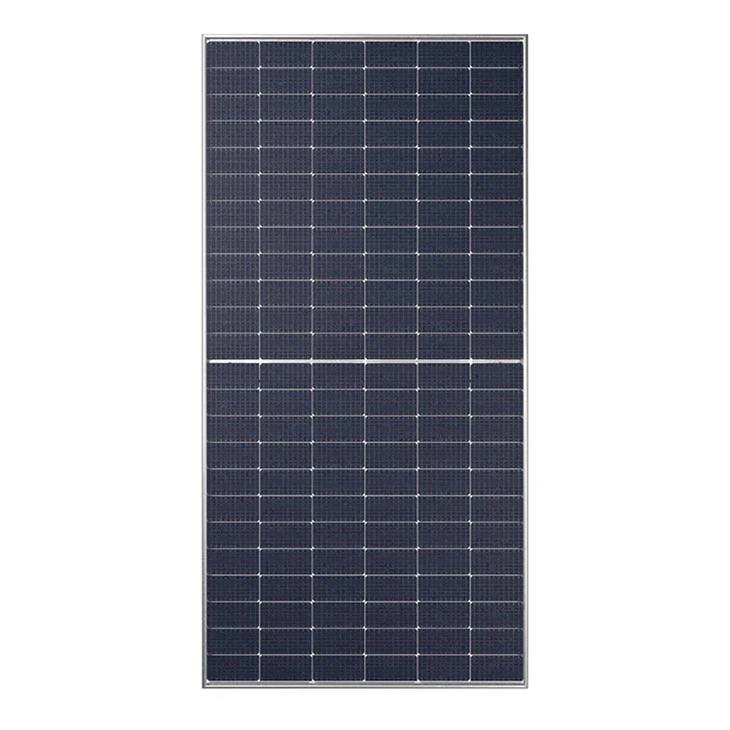
Compared to Conventional Solar Module 565 - 595W Bifacial Topcon, Conventional Solar Module 540 - 555W Mono PERC, and Conventional Solar Module 535 - 555W Bifacial PERC, flexible solar modules have some unique characteristics. Conventional solar panels are usually more rigid and made with different manufacturing processes. They might have a different degradation rate. For example, some conventional panels can have an annual degradation rate of around 0.3% - 0.7%. But the advantage of flexible solar modules is their flexibility. They can be installed in places where rigid panels can't, like on curved surfaces or in portable applications.
So, how can you make sure your flexible solar modules last as long as possible and keep their efficiency? Well, proper installation is key. Make sure the module is installed in a way that it's protected from the elements as much as possible. Also, regular maintenance can help. Just like you take your car in for a tune - up, you can give your solar modules a little check - up. Clean them periodically to remove dirt and debris, which can block sunlight and reduce efficiency.
It's also important to choose the right module for your needs. If you're in an area with a lot of sunlight and high temperatures, you might want a module that's designed to handle those conditions. And if you're using the module for a portable application, you'll want something that's lightweight and durable.
In the end, understanding the efficiency degradation rate of flexible solar modules is crucial for anyone thinking about using them. Whether you're a homeowner looking to power your house or a business owner wanting to go green, knowing how these modules will perform over time can help you make an informed decision.
If you're interested in learning more about our flexible solar modules or have any questions about efficiency degradation, don't hesitate to reach out. We're here to help you find the best solar solution for your needs. Let's start a conversation and see how we can work together to make your solar dreams a reality.