

As a supplier of non - standard solar panels, I understand the critical importance of fire safety features in these innovative energy solutions. In this blog, we'll delve into the specific fire safety aspects of non - standard solar panels, highlighting how they compare to conventional options and why they matter in real - world applications.
Understanding Non - Standard Solar Panels
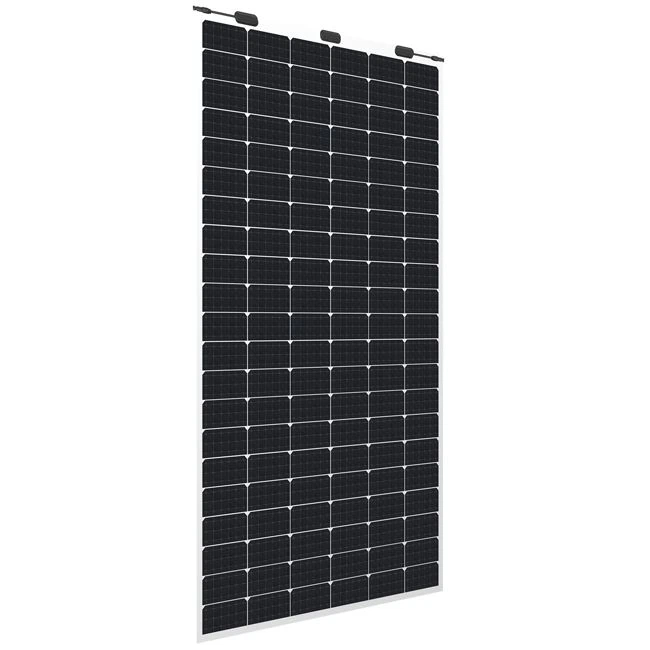
Non - standard solar panels, including Flexible Solar Module, are designed to meet unique requirements that traditional panels cannot address. These might include irregular installation spaces, specific power output needs, or the ability to integrate with unconventional structures. Their non - standard nature often means they are engineered with advanced materials and construction techniques, which can have a significant impact on fire safety.
Fire - Initiation Risks
One of the primary concerns in any solar panel system is the potential for fire initiation. In non - standard solar panels, this can be influenced by several factors. Firstly, the materials used in the construction of the panels play a crucial role. High - quality, fire - resistant materials are essential to prevent the spread of fire. For example, the encapsulation materials that protect the solar cells should have a high ignition point. Our non - standard solar panels are carefully crafted using materials that have been tested and proven to resist ignition under normal operating conditions.
Another risk factor is electrical faults. Faulty wiring, loose connections, or overheating components can generate enough heat to start a fire. Non - standard solar panels are equipped with advanced electrical protection systems. These systems are designed to detect and isolate any electrical faults quickly, reducing the risk of fire. For instance, built - in fuses and circuit breakers can automatically cut off the electrical current if an abnormal situation is detected.
Fire - Propagation Prevention
Once a fire starts, it's important to prevent its spread. Non - standard solar panels are engineered to limit the propagation of fire. The panel's structure is designed in such a way that it can contain the fire within a small area. For example, the use of fire - blocking layers between different components of the panel can prevent the fire from spreading from one part of the panel to another.
In addition, the spacing between individual panels in an installation can also affect fire propagation. Our non - standard solar panels are designed to be installed with appropriate spacing to allow for proper ventilation and to prevent the fire from spreading from one panel to the next. This spacing is carefully calculated based on the specific characteristics of the panels and the installation environment.
Comparison with Conventional Solar Modules
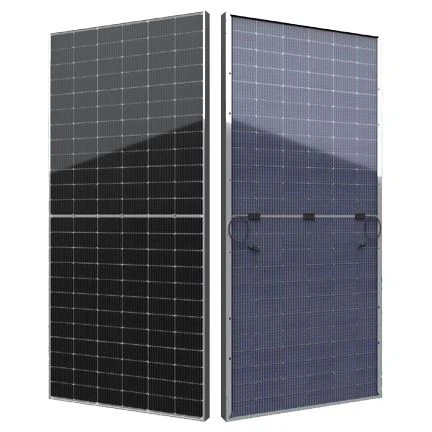
Let's compare the fire safety features of non - standard solar panels with Conventional Solar Module 565 - 595W Bifacial Topcon and Conventional Solar Module 540 - 555W Mono PERC. Conventional solar panels are designed to meet general industry standards, but they may not always be suitable for every application. Non - standard solar panels, on the other hand, can be customized to provide enhanced fire safety features.
Conventional panels often have a more rigid design, which may limit the use of certain fire - resistant materials or the implementation of advanced protection systems. Non - standard solar panels can be tailored to incorporate the latest fire - safety technologies, such as intelligent monitoring systems that can detect early signs of fire and send alerts to the system operators.
Real - World Applications and Fire Safety
In real - world applications, the fire safety of non - standard solar panels is of utmost importance. For example, in rooftop installations, a fire in the solar panel system can quickly spread to the building, causing significant damage. Our non - standard solar panels are tested to meet the strictest fire - safety standards for rooftop applications. They are designed to withstand high - temperature environments and to prevent the fire from spreading to the building structure.
In off - grid and remote installations, where access to fire - fighting resources may be limited, the fire - safety features of non - standard solar panels are even more critical. These panels are built to be self - sufficient in terms of fire prevention and control, reducing the risk of a large - scale fire disaster.
Testing and Certification
To ensure the highest level of fire safety, our non - standard solar panels undergo rigorous testing and certification processes. We follow international standards and industry best practices to test the panels for fire resistance. These tests include exposure to high - temperature flames, electrical fault simulations, and fire - propagation tests. Only after passing these tests are our panels certified for use in various applications.
Importance of Fire Safety in the Solar Industry
The solar industry is growing rapidly, and with it, the need for enhanced fire safety. As more and more solar panel systems are installed around the world, the risk of fire incidents also increases. By providing non - standard solar panels with excellent fire safety features, we are contributing to the overall safety and reliability of the solar energy sector.
Conclusion
In conclusion, the fire safety features of non - standard solar panels are a result of advanced engineering and careful design. These panels offer enhanced protection against fire initiation and propagation, making them a safe choice for a wide range of applications. Whether it's for rooftop installations, off - grid systems, or other unique projects, our non - standard solar panels provide peace of mind when it comes to fire safety.
If you're interested in learning more about our non - standard solar panels or would like to discuss a potential procurement, we invite you to reach out. Our team of experts is ready to assist you in finding the best solar panel solution for your specific needs.
References
- International Electrotechnical Commission (IEC) standards on solar panel safety
- National Fire Protection Association (NFPA) guidelines for solar panel installations
- Industry research on fire safety in solar energy systems