

Hey there! I'm a supplier of Balcony Solar Panel Kits, and today I wanna have an open and honest chat about the disadvantages of balcony solar panel kits compared to rooftop solar panels. It's important to know both sides of the coin when you're thinking about going solar, so let's dive in.
Power Output
One of the most obvious drawbacks of balcony solar panel kits is their relatively low power output. Rooftop solar panels usually cover a much larger area. You can install a whole bunch of them on your roof, which means they can soak up a ton more sunlight and generate a lot more electricity.
On the other hand, balcony solar panels are limited by the size of your balcony. They're smaller in size and number, so they can't produce as much power. For example, a typical rooftop solar panel system can generate anywhere from 3,000 to 10,000 kilowatt - hours (kWh) of electricity per year, depending on the location and the size of the system. But a balcony solar panel kit might only generate a few hundred kWh annually. If you have high electricity demands at home, like running multiple air - conditioners, electric heaters, or big appliances, a balcony solar panel kit might not be enough to meet your needs. You can check out our Balcony Solar Panel Kit to see the power specifications, but keep in mind it's not on the same level as rooftop panels in terms of output.

Installation and Orientation
Rooftop solar panels have a big advantage when it comes to installation and orientation. Roofs are usually designed to face the sun in the best possible way. In the Northern Hemisphere, south - facing roofs get the most sunlight throughout the day, and in the Southern Hemisphere, north - facing roofs are ideal. Solar installers can position rooftop panels at the perfect angle to capture as much sunlight as possible.
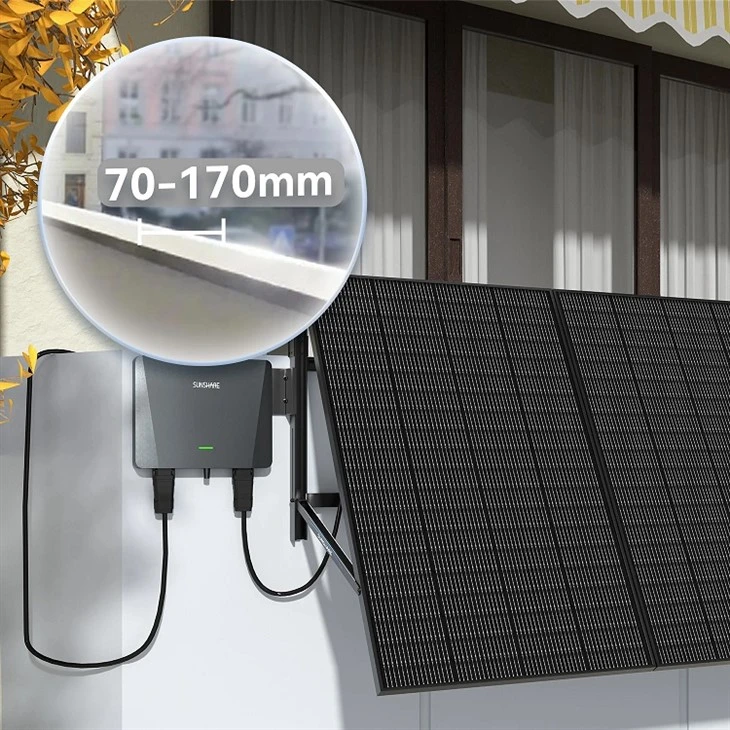
Balcony solar panels, however, are restricted by the orientation of your balcony. Your balcony might face east, west, or even north (in the Northern Hemisphere), which means it won't get direct sunlight for most of the day. And even if your balcony faces the right direction, there could be obstructions like tall buildings, trees, or awnings that block the sunlight. Also, installing rooftop panels is often a professional job, and the installers have the expertise to ensure the panels are securely mounted and properly wired. With balcony solar panel kits, the installation is usually a DIY job. While it's more convenient in a way, it also means there's a higher risk of improper installation, which can affect the performance of the panels. Our Plug - in Balcony Solar Panels are designed for easy installation, but orientation issues can still be a headache.
Durability and Weather Resistance
Rooftop solar panels are built to last. They're made with high - quality materials and are designed to withstand all kinds of weather conditions, from heavy rain and snow to strong winds and extreme temperatures. They're usually installed with proper mounting systems that keep them firmly in place, even during storms.
Balcony solar panels, on the other hand, might not be as durable. Since they're smaller and often more lightweight, they might not be able to handle harsh weather as well. For example, strong winds could potentially blow them off the balcony if they're not properly secured. And if there's a lot of snow or ice buildup, the panels might not be able to support the weight. Also, balcony solar panels are more exposed to human activity. People might accidentally bump into them or knock them over, which could damage the panels.
Cost - Efficiency in the Long Run
When you look at the long - term cost - efficiency, rooftop solar panels often come out on top. Although the initial installation cost of a rooftop solar panel system is higher, it can save you a significant amount of money on your electricity bills over time. Because of their higher power output, they can offset a larger portion of your electricity consumption, which means more savings.
Balcony solar panel kits are cheaper upfront, which is great for people on a budget. But because of their lower power output, the savings on electricity bills are also smaller. It might take a longer time to recoup the cost of the balcony solar panel kit compared to a rooftop system. And if you want to expand the system to increase power output, it can be a bit tricky with balcony solar panels due to the limited space.
Aesthetics and Building Regulations
Rooftop solar panels are generally more integrated into the overall look of a building. They can blend in with the roof and are often considered an acceptable addition to the architecture. In some cases, they can even enhance the value of the property.
Balcony solar panels, however, can be a bit of an eyesore. They're usually visible from the street or other parts of the building, and they might not match the aesthetic of the balcony or the building as a whole. Also, some buildings have strict regulations regarding what can be installed on the balcony. You might need to get permission from the building management or the homeowners' association before installing a balcony solar panel kit. This can be a hassle and might even prevent you from installing the panels at all.
So, Is It All Bad?
Despite these disadvantages, balcony solar panel kits still have their place. They're a great option for renters or people who can't install rooftop panels for various reasons. They're relatively easy to install and can still provide some savings on electricity bills. They're also a good way to dip your toes into the world of solar energy before making a bigger investment in a rooftop system.
If you're interested in learning more about our Balcony Solar Panel Kit or Plug - in Balcony Solar Panels, feel free to reach out. We're here to help you make an informed decision about your solar energy needs. Whether you think a balcony solar panel kit is right for you or you're still on the fence, we'd love to have a chat and discuss your options. Contact us if you're interested in purchasing and we can start the procurement negotiation process.
References
- National Renewable Energy Laboratory. (n.d.). Solar Energy Basics.
- Solar Power World. (Multiple articles). Various insights on solar panel technology and performance.