

In the global pursuit of sustainable energy, PERC (Passivated Emitter and Rear Cell) solar modules have emerged as a popular choice due to their efficiency and cost - effectiveness. As a supplier of PERC solar modules, I often receive inquiries about how these modules perform in areas with low air quality. In this blog, I will delve into the impact of poor air quality on PERC solar modules and explore the measures to ensure their optimal performance.
Understanding PERC Solar Modules
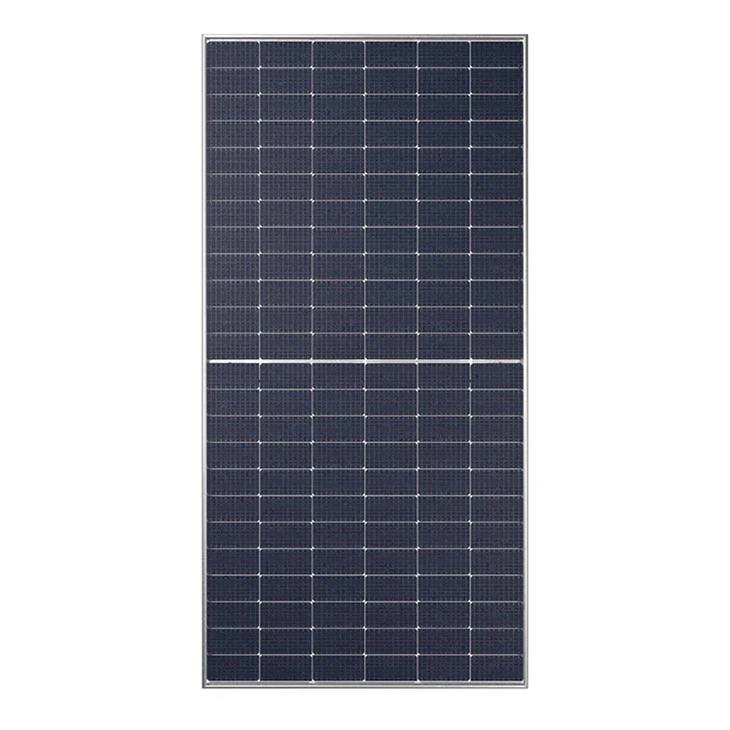
PERC solar modules are an advanced type of photovoltaic technology. They feature a passivation layer on the rear side of the solar cell, which reduces electron recombination and enhances light absorption. This design improvement allows PERC modules to convert more sunlight into electricity compared to Conventional Solar Module 565 - 595W Bifacial Topcon and traditional solar cells. With their higher efficiency, PERC modules can generate more power in a given area, making them an attractive option for both residential and commercial solar installations.

Impact of Low Air Quality on Solar Modules
Low air quality is often characterized by high levels of particulate matter (PM), such as dust, smoke, and haze, as well as pollutants like sulfur dioxide, nitrogen oxides, and ozone. These elements can have several negative effects on PERC solar modules.
Reduction in Light Transmission
One of the most direct impacts of low air quality is the reduction in light transmission. Particulate matter in the air can scatter and absorb sunlight, preventing it from reaching the solar modules. As a result, the amount of light available for the photovoltaic conversion process is decreased, leading to a reduction in power output. Studies have shown that even a thin layer of dust on the surface of solar panels can cause a significant drop in efficiency. For example, in areas with heavy industrial pollution or frequent sandstorms, the accumulation of dust on the modules can reduce power generation by up to 20% or more.
Soiling and Corrosion
Particulate matter can also accumulate on the surface of the solar modules, causing soiling. Soiling not only blocks sunlight but can also create micro - environments that promote corrosion. Pollutants in the air, such as sulfur dioxide and nitrogen oxides, can react with moisture on the module surface to form acidic compounds. These acids can corrode the protective coatings and materials of the solar modules, leading to degradation of the module's performance over time. In addition, the presence of salt particles in coastal areas with poor air quality can also accelerate corrosion, especially if the modules are not properly protected.
Temperature Effects
Low air quality can also affect the temperature of the solar modules. Haze and particulate matter can trap heat in the atmosphere, leading to higher ambient temperatures. Solar modules are sensitive to temperature, and their efficiency decreases as the temperature rises. Higher temperatures can cause the electrical resistance of the solar cells to increase, reducing the flow of electricity and ultimately lowering the power output. In areas with low air quality and high temperatures, the combined effect of reduced light transmission and increased temperature can have a significant impact on the performance of PERC solar modules.
Performance of PERC Solar Modules in Low - Air - Quality Areas
Despite the challenges posed by low air quality, PERC solar modules can still perform relatively well under certain conditions.
High - Efficiency Design
The high - efficiency design of PERC solar modules allows them to make the most of the available sunlight. Even in areas with reduced light transmission due to poor air quality, PERC modules can generate more power compared to conventional solar cells. Their ability to capture and convert a larger portion of the sunlight spectrum means that they can still produce a significant amount of electricity, even when the light intensity is lower.
Anti - Soiling and Anti - Corrosion Coatings
Many PERC solar modules are now equipped with anti - soiling and anti - corrosion coatings. These coatings are designed to repel dust and prevent the accumulation of particulate matter on the module surface. They also provide a protective barrier against corrosion, reducing the impact of pollutants in the air. For example, Conventional Solar Module 540 - 555W Mono PERC and Conventional Solar Module 535 - 555W Bifacial PERC often come with advanced coatings that enhance their durability in harsh environmental conditions.
Regular Maintenance
Regular maintenance is crucial for ensuring the optimal performance of PERC solar modules in low - air - quality areas. Cleaning the modules periodically to remove dust and debris can significantly improve light transmission and power output. In addition, inspecting the modules for signs of corrosion and damage and replacing any faulty components in a timely manner can help extend the lifespan of the modules.
Mitigation Strategies
To maximize the performance of PERC solar modules in areas with low air quality, several mitigation strategies can be implemented.
Installation Location
Choosing the right installation location is important. Avoiding areas with high levels of pollution, such as near industrial sites or major roads, can reduce the impact of particulate matter and pollutants on the solar modules. Additionally, installing the modules at an angle that allows for self - cleaning by rainwater can help minimize soiling.
Air Quality Monitoring
Monitoring air quality can provide valuable information for solar system operators. By keeping track of air quality indices, operators can anticipate periods of poor air quality and take proactive measures, such as increasing the frequency of module cleaning or adjusting the operation of the solar system.
Advanced Module Technologies
Investing in advanced module technologies can also help improve the performance of solar modules in low - air - quality areas. For example, some new PERC modules are designed with self - cleaning surfaces that use nanotechnology to repel dust and water. These self - cleaning modules can reduce the need for manual cleaning and improve the long - term performance of the solar system.
Conclusion
As a supplier of PERC solar modules, I understand the concerns of customers regarding the performance of these modules in areas with low air quality. While low air quality can pose challenges to solar module performance, PERC modules offer several advantages, including high efficiency, anti - soiling and anti - corrosion coatings, and the ability to adapt to different environmental conditions. By implementing appropriate mitigation strategies, such as choosing the right installation location, monitoring air quality, and investing in advanced technologies, the impact of low air quality on PERC solar modules can be minimized.
If you are considering installing solar panels in an area with low air quality, I encourage you to contact us to discuss your specific needs. Our team of experts can provide you with detailed information about our PERC solar modules and help you design a solar system that will perform optimally in your environment. We are committed to providing high - quality solar solutions and look forward to the opportunity to work with you on your solar project.
References
- Green, M. A., Emery, K., Hishikawa, Y., Warta, W., & Dunlop, E. D. (2014). Solar cell efficiency tables (version 42). Progress in Photovoltaics: Research and Applications, 22(1), 1 - 9.
- Chowdhury, S., & Islam, M. R. (2018). Impact of dust accumulation on solar photovoltaic (PV) performance: A review. Renewable and Sustainable Energy Reviews, 94, 750 - 761.
- Sahu, P. K., & Nayak, B. (2017). Influence of environmental parameters on the performance of photovoltaic modules: A review. Renewable and Sustainable Energy Reviews, 70, 852 - 865.