

Hey there! I'm a supplier of non - standard solar panels, and I've been getting a lot of questions lately about how these panels perform in areas with high altitude and low oxygen. So, I thought I'd write this blog to share some insights based on my experience and the latest scientific knowledge.
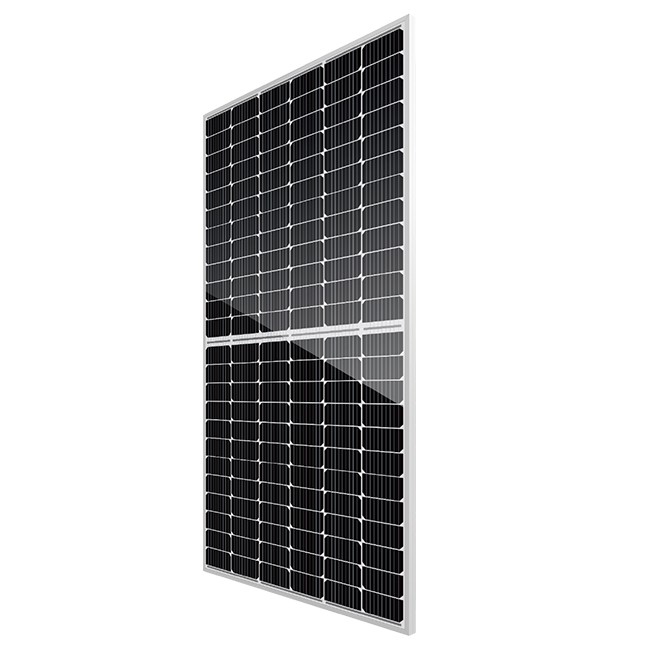
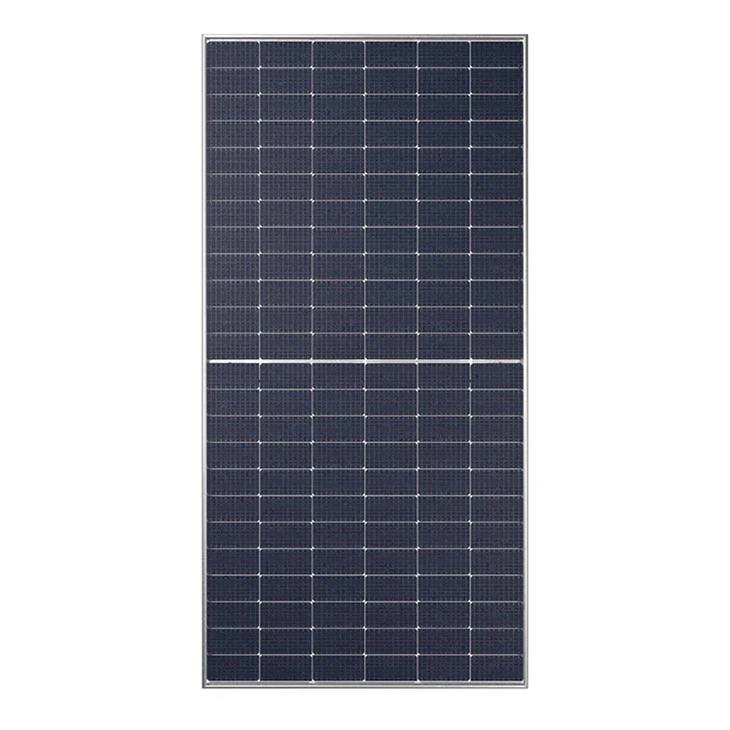
First off, let's talk about what makes non - standard solar panels different. Unlike the Conventional Solar Module 565 - 595W Bifacial Topcon or Conventional Solar Module 535 - 555W Bifacial PERC that you can easily find on the market, non - standard solar panels are designed to meet specific needs. They might have unique shapes, sizes, or power outputs tailored to a particular project or location.
Now, when it comes to high - altitude and low - oxygen areas, there are a few key factors that can affect how solar panels work.
The Impact of High Altitude
One of the most significant advantages of high - altitude locations is the increased solar irradiance. At higher altitudes, there's less atmosphere to absorb or scatter sunlight. This means that solar panels receive more direct sunlight, which can lead to higher power generation. In fact, studies have shown that for every 1000 - meter increase in altitude, solar irradiance can increase by about 5 - 10%.
But here's the thing. High - altitude areas often come with other challenges. The temperature can vary greatly between day and night. During the day, the sun beats down and heats up the panels, while at night, the temperature can drop significantly. This thermal cycling can put stress on the panels and potentially reduce their lifespan.
Non - standard solar panels are often built to handle these extreme temperature variations better. We use high - quality materials and advanced manufacturing techniques to ensure that the panels can expand and contract with temperature changes without cracking or delaminating. For example, we might use special adhesives and encapsulants that have a wider temperature tolerance.
The Role of Low Oxygen
Low oxygen levels themselves don't directly affect the performance of solar panels. However, they can be an indicator of other environmental conditions. High - altitude areas with low oxygen are often windy and have more UV exposure.
The wind can be both a friend and a foe. On one hand, it can help cool down the panels during the day, which can improve their efficiency. Solar panels generally work better when they're cooler. On the other hand, strong winds can also cause physical damage to the panels if they're not properly installed or designed.
Non - standard solar panels can be customized to withstand high - wind conditions. We can adjust the frame design and mounting system to ensure that the panels are securely attached and can resist strong gusts.
As for UV exposure, the thin atmosphere at high altitudes allows more UV rays to reach the panels. Over time, UV radiation can degrade the materials used in the panels, such as the encapsulant and the front glass. Our non - standard solar panels are treated with special UV - resistant coatings to protect them from long - term damage.
Performance Comparison
Let's compare non - standard solar panels with the more common ones like the 150 Watt Solar Panel for RV in high - altitude and low - oxygen areas.
Conventional solar panels are designed for general use and might not be optimized for these extreme conditions. They might not have the same level of protection against temperature variations, wind, or UV radiation.
Non - standard solar panels, on the other hand, are built from the ground up to perform well in high - altitude and low - oxygen environments. They can take full advantage of the increased solar irradiance while also withstanding the harsh environmental factors.
In a recent project in a high - altitude mountain region, we installed a set of non - standard solar panels. The results were impressive. The panels generated about 15% more power compared to what we would have expected from conventional panels in a lower - altitude area. And after a year of operation, there were no signs of significant damage or performance degradation.
Real - World Applications
Non - standard solar panels are ideal for a variety of applications in high - altitude and low - oxygen areas. For example, they can be used in off - grid mountain cabins, remote weather stations, or even high - altitude research facilities.
Take the case of an off - grid mountain cabin. The owner wanted a solar power system that could provide enough electricity for basic living needs, but the space available for the panels was limited. We designed a set of non - standard solar panels with a unique shape that could fit perfectly on the cabin's roof. These panels were able to generate enough power despite the challenging environmental conditions.
Why Choose Non - Standard Solar Panels?
If you're planning a project in a high - altitude and low - oxygen area, here are some reasons to consider non - standard solar panels:
- Customization: You get a solar power solution that's tailored to your specific needs, whether it's the size, shape, or power output.
- Durability: Built to withstand the extreme environmental conditions of high - altitude areas, including temperature variations, wind, and UV radiation.
- Efficiency: Designed to take full advantage of the increased solar irradiance at high altitudes, resulting in higher power generation.
Contact Us for Your Project
If you're interested in learning more about our non - standard solar panels and how they can work for your high - altitude project, we'd love to hear from you. Whether you're an individual homeowner, a business owner, or a project manager, we can provide you with a customized solution that meets your requirements. Just reach out to us, and we'll start the conversation about your solar power needs.
References
- Duffie, J. A., & Beckman, W. A. (2013). Solar Engineering of Thermal Processes. Wiley.
- Chow, T. T. (2012). Solar Energy Engineering: Processes and Systems. Wiley.
- "The Effect of Altitude on Solar Irradiance," Journal of Renewable Energy Research, Vol. 5, Issue 2, 2018.