

In the dynamic landscape of renewable energy, lightweight solar panels have emerged as a revolutionary solution, offering versatility and efficiency. As a leading supplier of Lightweight Solar Panels, I am often asked about the viability of these innovative panels in high - humidity areas. This blog post aims to explore this question in depth, drawing on scientific knowledge and real - world experience.
Understanding Lightweight Solar Panels
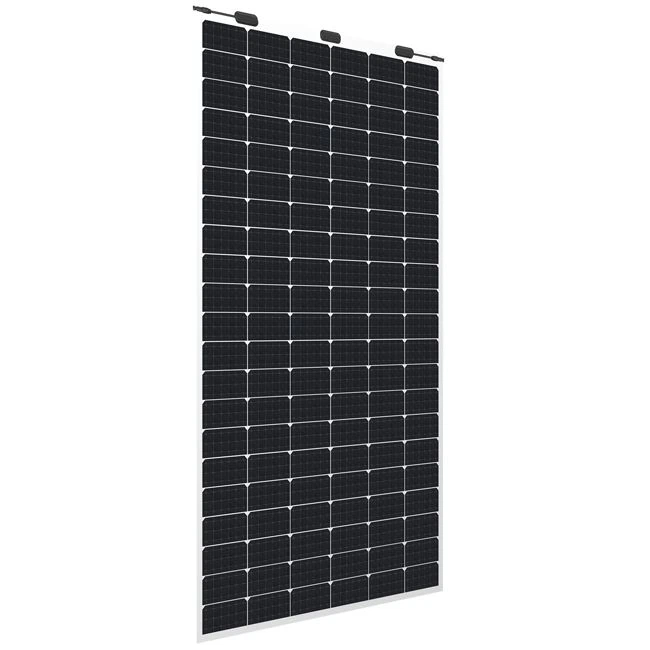
Lightweight solar panels are a game - changer in the solar energy industry. They are designed to be more portable and easier to install compared to traditional solar panels. These panels are often made from advanced materials such as thin - film photovoltaic cells, which are not only lighter but also more flexible in some cases. Our Flexible Solar Module is a prime example of such innovation, offering unique installation options for various applications.
The reduced weight of these panels makes them ideal for a wide range of uses, including RVs. Our 200W Solar Panel for RV provides an efficient and convenient power source for mobile living. However, when considering deployment in high - humidity areas, we need to examine the potential challenges and solutions.
The Impact of High Humidity on Solar Panels
High humidity can pose several challenges to solar panels. One of the primary concerns is moisture ingress. When water vapor penetrates the panel's protective layers, it can cause corrosion of the internal components, such as the electrical contacts and the conductive traces. This corrosion can lead to a decrease in the panel's efficiency over time, as it disrupts the flow of electricity.
Another issue is the growth of mold and mildew. In a high - humidity environment, the warm and damp conditions are perfect for the growth of these fungi on the surface of the solar panels. Mold and mildew not only block sunlight from reaching the photovoltaic cells but can also cause physical damage to the panel's surface, further reducing its performance.
How Lightweight Solar Panels Fare in High - Humidity Areas
Despite the challenges, lightweight solar panels can be effectively used in high - humidity areas, thanks to their advanced design and materials.
Advanced Encapsulation
Most modern lightweight solar panels are equipped with high - quality encapsulation materials. These materials act as a barrier against moisture, preventing water vapor from entering the panel. For example, some panels use ethylene - vinyl acetate (EVA) encapsulation, which has excellent water - resistant properties. Additionally, the outer layer of the panel, often made of tempered glass or a durable polymer, provides an extra layer of protection.
Corrosion - Resistant Materials
To combat corrosion, lightweight solar panels are constructed using corrosion - resistant materials. The electrical contacts are typically made of materials such as silver or copper with anti - corrosion coatings. These coatings help to protect the contacts from the corrosive effects of moisture and humidity, ensuring long - term reliability.
Ventilation and Design
Proper ventilation is crucial in high - humidity areas. Many lightweight solar panels are designed with ventilation channels that allow air to circulate within the panel. This helps to reduce the buildup of moisture and prevent the formation of condensation. The design also takes into account the slope and orientation of the panel, which can help water to drain off easily, minimizing the risk of water pooling on the surface.
Real - World Examples and Case Studies
There have been numerous successful installations of lightweight solar panels in high - humidity regions around the world. In coastal areas where humidity levels are consistently high, these panels have proven to be reliable sources of renewable energy.
For instance, in some tropical islands, lightweight solar panels have been installed on rooftops and in off - grid power systems. Despite the high humidity and occasional heavy rainfall, these panels have continued to operate efficiently for many years. Regular maintenance, including cleaning to remove any mold or mildew growth, has been key to their long - term performance.
Maintenance Tips for Lightweight Solar Panels in High - Humidity Areas
To ensure the optimal performance of lightweight solar panels in high - humidity areas, proper maintenance is essential.

Regular Cleaning
Cleaning the panels regularly is crucial to remove any dirt, dust, mold, or mildew. Use a soft brush or a sponge and a mild detergent to clean the surface of the panel. Avoid using abrasive materials that could scratch the panel.
Inspection
Periodically inspect the panels for any signs of damage or moisture ingress. Check the edges of the panel for any cracks or gaps in the encapsulation. Look for any signs of corrosion on the electrical contacts.
Monitoring
Install a monitoring system to track the performance of the solar panels. This can help you detect any changes in efficiency early on and take corrective action if necessary.
Conclusion
In conclusion, lightweight solar panels can indeed be used in areas with high humidity. Their advanced design, use of high - quality materials, and proper maintenance make them well - suited to these challenging environments. As a supplier of Lightweight Solar Panels, we are committed to providing products that are reliable and efficient, even in the most demanding conditions.
If you are considering installing solar panels in a high - humidity area or have any questions about our products, we encourage you to contact us for a detailed discussion. Our team of experts is ready to assist you in finding the best solar solution for your needs. Let's work together to harness the power of the sun, regardless of the environmental challenges.
References
- "Solar Photovoltaic Systems: Design and Installation" by John Wiles and Ted Moseley
- "Handbook of Photovoltaic Science and Engineering" edited by Antonio Luque and Steven Hegedus
- Industry reports from leading solar energy research institutions