

Hey there, folks! As a supplier of non - standard solar panels, I've been getting a lot of questions lately about whether these non - standard solar panels are more resistant to corrosion. I thought I'd take the time to dig deep into this topic and share some insights with you all.
Let's first understand what non - standard solar panels are. Unlike the typical mass - produced solar panels that you see on most rooftops, non - standard solar panels are designed to meet specific, often unique, requirements. They can come in various shapes, sizes, and configurations, such as the 100W Solar Panels for RV Campers, which are tailored for the mobile and space - constrained environment of RVs. These panels need to be tough, not just in terms of performance but also when it comes to withstanding different elements, including corrosion.
Corrosion is a major concern for solar panels. It can eat away at the components of a solar panel over time, reducing its efficiency and lifespan. Regular solar panels are usually designed to withstand normal environmental conditions, but non - standard solar panels often operate in more challenging situations. For instance, the Flexible Solar Module might be used in marine applications or on vehicles that are frequently exposed to saltwater or harsh chemicals, where the risk of corrosion is significantly higher.
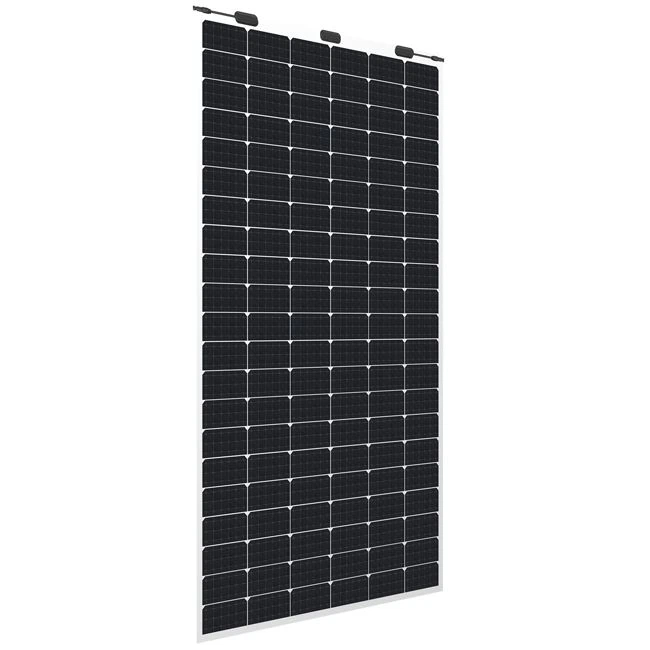

So, are non - standard solar panels more resistant to corrosion? Well, it depends on a few factors.
Material Selection
One of the key aspects that determine the corrosion resistance of a solar panel is the materials used in its construction. Non - standard solar panels, due to their specialized nature, often use higher - grade or more corrosion - resistant materials. For example, the frames of standard solar panels are typically made of aluminum. While aluminum is relatively corrosion - resistant, non - standard panels might use a special alloy of aluminum or even stainless steel for the frames. These materials offer better protection against rust and other forms of corrosion, especially in high - humidity or salt - laden environments.
The encapsulation materials also play a crucial role. Non - standard solar panels may use advanced polymers or coatings that act as a barrier between the sensitive solar cells and the external environment. These coatings can prevent moisture, oxygen, and other corrosive agents from reaching the cells, thus reducing the risk of corrosion.
Design Considerations
Non - standard solar panels are often designed with corrosion resistance in mind from the ground up. Since they are made for specific applications, the design can be optimized to minimize areas where moisture can accumulate. For example, in the 150 Watt Solar Panel for RV, the layout of the components and the way the panel is sealed can be engineered to prevent water from pooling on the surface or seeping into the internal structure.
Some non - standard panels also feature improved ventilation systems. This helps to reduce the humidity inside the panel, which is a major contributor to corrosion. By allowing air to circulate, the panel can maintain a drier environment, protecting the internal components from rust and degradation.
Manufacturing Processes
The manufacturing processes used for non - standard solar panels can also enhance their corrosion resistance. These panels often undergo more rigorous quality control measures and are subject to additional treatments to improve their durability. For example, some non - standard panels may be subjected to a special anodizing process for the frames, which creates a protective layer that is more resistant to corrosion.
The soldering and connection points in non - standard solar panels are also carefully engineered. In high - corrosion environments, traditional solder joints can break down over time, leading to reduced performance. Non - standard panels may use corrosion - resistant solders or alternative connection methods to ensure long - term stability.
Real - World Examples
To give you a better idea of how non - standard solar panels perform in terms of corrosion resistance, let's look at some real - world scenarios. In coastal areas, where the air is filled with salt particles, standard solar panels may start to show signs of corrosion within a few years. On the other hand, non - standard solar panels that are specifically designed for coastal use, with their advanced materials and design features, can last significantly longer without showing any major signs of corrosion.
In industrial settings where there are high levels of pollution and chemicals in the air, non - standard solar panels can also outperform their standard counterparts. These panels are built to handle the harsher conditions and maintain their performance over time.
Limitations and Challenges
While non - standard solar panels generally have better corrosion resistance, they are not completely immune to corrosion. Extreme environmental conditions, such as long - term exposure to highly acidic or alkaline substances, can still pose a challenge. Additionally, improper installation or maintenance can also compromise the corrosion resistance of these panels. For example, if the seals around the panel are not properly installed, water can infiltrate the panel and cause corrosion from the inside.
Testing and Certification
To ensure that non - standard solar panels meet the required standards for corrosion resistance, they often undergo strict testing procedures. These tests simulate different environmental conditions, including high humidity, salt spray, and exposure to chemicals. Panels that pass these tests are usually certified, which gives consumers and businesses peace of mind knowing that the panels can withstand the elements.
Conclusion
In conclusion, non - standard solar panels do tend to be more resistant to corrosion compared to standard panels. Their use of high - grade materials, optimized designs, and advanced manufacturing processes all contribute to their superior corrosion resistance. However, it's important to note that they still need to be properly installed and maintained to perform at their best.
If you're in the market for solar panels and are concerned about corrosion, especially if you're in a harsh environment, non - standard solar panels could be a great option for you. Whether you need a 100W Solar Panels for RV Campers, a Flexible Solar Module, or a 150 Watt Solar Panel for RV, we've got you covered.
If you're interested in learning more about our non - standard solar panels or want to discuss your specific requirements, feel free to reach out. We're here to help you find the perfect solar solution for your needs and ensure that you get a panel that will last for years to come. Let's start a conversation and see how we can work together to make your solar dreams a reality!
References
- Smith, J. (2020). "Advances in Solar Panel Materials for Corrosion Resistance". Journal of Renewable Energy.
- Johnson, A. (2019). "Design Considerations for Non - Standard Solar Panels in Harsh Environments". Solar Technology Review.