

As a provider of energy storage systems, I've witnessed firsthand the diverse applications and unique features of both stationary and mobile energy storage solutions. Understanding the differences between these two types of systems is crucial for consumers, businesses, and industries looking to optimize their energy usage and storage capabilities.
1. Physical Characteristics
Stationary energy storage systems are designed to be fixed in one location. They are typically large - scale installations, often used in power plants, industrial facilities, or residential settings. These systems are built with heavy - duty components that are installed on a permanent foundation. For example, a large - scale stationary battery storage system at a solar farm might consist of multiple battery racks, inverters, and control units housed in a dedicated building. The size and weight of these systems make them difficult to move once installed.

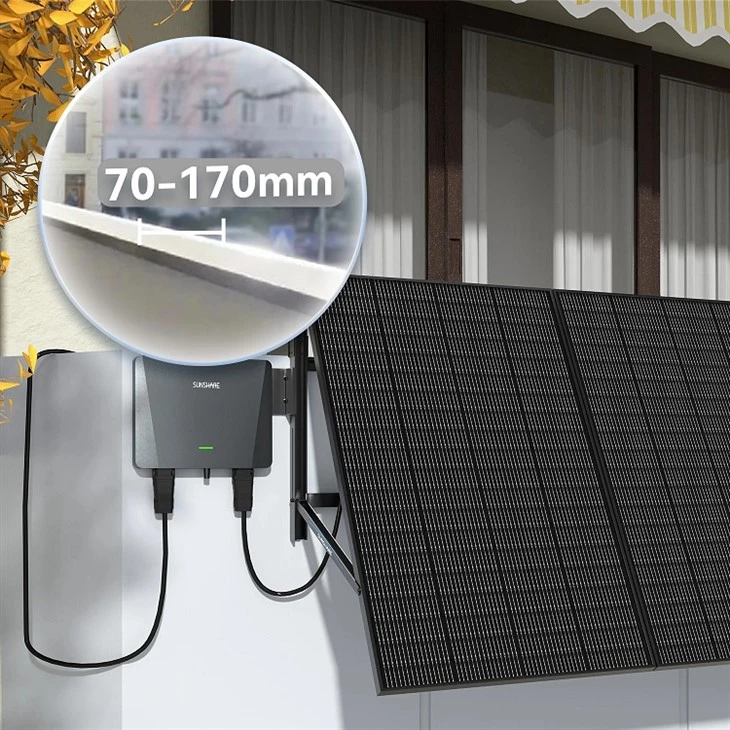
On the other hand, mobile energy storage systems are designed for portability. They are usually smaller in size and can be easily transported from one place to another. Mobile energy storage units can range from small, handheld power banks to large, trailer - mounted battery systems. These systems are often used in situations where power needs to be quickly deployed, such as at outdoor events, construction sites, or in emergency response scenarios.
2. Application Scenarios
Stationary Energy Storage Systems
- Grid - scale Energy Storage: One of the primary applications of stationary energy storage is at the grid level. These systems help balance the supply and demand of electricity. For instance, during periods of low electricity demand, such as at night, excess energy from power plants can be stored in stationary batteries. Then, during peak demand hours, the stored energy can be released back into the grid, reducing the need for additional power generation.
- Residential and Commercial Use: In residential and commercial settings, stationary energy storage systems, like the Home Energy Storage Battery and Home Energy Battery Storage, can store energy generated from renewable sources such as solar panels. This stored energy can be used during power outages or when electricity rates are high, providing cost savings and energy independence.
Mobile Energy Storage Systems
- Outdoor Events: Mobile energy storage systems are ideal for outdoor events such as music festivals, fairs, and sports events. They can provide a reliable source of power without the need for a permanent electrical connection. For example, a trailer - mounted battery system can be easily transported to the event site and connected to power stages, lighting, and other equipment.
- Construction Sites: Construction sites often require power in remote locations where grid access is limited. Mobile energy storage units can be used to power tools, machinery, and lighting, ensuring that work can continue without interruptions.
- Emergency Response: In the event of natural disasters or other emergencies, mobile energy storage systems can be quickly deployed to provide power to critical facilities such as hospitals, shelters, and communication centers.
3. Energy Capacity and Power Output
Stationary energy storage systems generally have a much larger energy capacity compared to mobile systems. This is because they are designed to store large amounts of energy for extended periods. For example, a large - scale stationary battery system at a utility - scale power plant can have a capacity of several megawatt - hours, which can power thousands of homes for hours.
Mobile energy storage systems, on the other hand, have relatively smaller energy capacities. Their power output is also more limited, as they are designed for short - term or on - the - go power needs. However, they can still provide sufficient power for small to medium - sized equipment and devices.
4. Cost Considerations
Stationary Energy Storage Systems
The initial cost of installing a stationary energy storage system is typically high. This is due to the large - scale components, installation, and the need for a dedicated infrastructure. However, over the long term, these systems can provide significant cost savings through reduced electricity bills, grid services revenue, and increased energy efficiency.
Mobile Energy Storage Systems
Mobile energy storage systems are generally less expensive to purchase and install. Their lower cost makes them a more accessible option for small businesses, event organizers, and individuals. However, the cost per unit of energy stored may be higher compared to stationary systems, especially for smaller mobile units.
5. Maintenance and Lifespan
Stationary Energy Storage Systems
Stationary energy storage systems require regular maintenance to ensure optimal performance. This includes monitoring battery health, temperature control, and system diagnostics. The lifespan of a stationary energy storage system can be relatively long, often ranging from 10 to 20 years, depending on the type of battery technology and usage patterns.
Mobile Energy Storage Systems
Mobile energy storage systems also require maintenance, but the frequency and complexity may be lower compared to stationary systems. Their lifespan can vary depending on the quality of the components and the frequency of use. However, due to the wear and tear associated with transportation and portable use, the lifespan of mobile energy storage systems may be slightly shorter than that of stationary systems.
6. Environmental Impact
Both stationary and mobile energy storage systems can have a positive environmental impact by enabling the integration of renewable energy sources. However, there are some differences in their environmental footprints.
Stationary energy storage systems, especially large - scale installations, may require significant land use and can have an impact on local ecosystems during the construction phase. However, over their lifespan, they can help reduce greenhouse gas emissions by storing and using renewable energy.
Mobile energy storage systems, on the other hand, have a relatively smaller environmental footprint in terms of land use. Their portability allows for more efficient use of energy in different locations, reducing the need for multiple stationary systems.
Conclusion
In conclusion, stationary and mobile energy storage systems have distinct differences in terms of physical characteristics, application scenarios, energy capacity, cost, maintenance, and environmental impact. As an energy storage system provider, we offer a wide range of solutions to meet the diverse needs of our customers. Whether you are looking for a reliable stationary energy storage system for your home or business, or a portable mobile energy storage unit for on - the - go power needs, we have the expertise and products to help you make the right choice.
If you are interested in learning more about our energy storage systems or would like to discuss your specific requirements, please feel free to reach out to us. We are committed to providing high - quality energy storage solutions that meet your needs and contribute to a more sustainable future.