

As a trusted PERC solar modules supplier, I'm often asked about the installation process of these high - performance solar panels. In this blog, I'll guide you through the step - by - step process of installing PERC solar modules, from the initial planning to the final connection.
1. Pre - installation Planning
Before you start installing PERC solar modules, a comprehensive pre - installation plan is essential.
Site Assessment
First, you need to assess the installation site. Look for a location that receives maximum sunlight throughout the day. The ideal orientation for solar panels in the northern hemisphere is south - facing, and in the southern hemisphere, north - facing. Ensure that there are no obstructions such as tall trees, buildings, or chimneys that could cast shadows on the panels during peak sunlight hours. Also, consider the structural integrity of the installation surface. Whether it's a rooftop or a ground - mounted system, the surface should be able to support the weight of the solar panels and associated mounting equipment.
Permits and Regulations
Check with your local authorities to obtain the necessary permits for solar panel installation. Different regions have different regulations regarding solar energy systems, including electrical connections, building codes, and safety requirements. Failing to comply with these regulations can lead to fines and safety hazards.
System Sizing
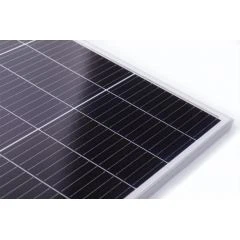
Determine the size of the solar energy system you need based on your energy consumption. Calculate your average daily electricity usage and consider your future energy needs. This will help you decide how many PERC solar modules to install. Our Conventional Solar Module 540 - 555W Mono PERC is a great option for larger energy requirements.

2. Gathering Tools and Materials
Once the planning is done, gather all the necessary tools and materials for the installation.
Tools
You'll need basic tools such as a drill, screwdriver, level, tape measure, and a socket wrench. Additionally, you may require specialized tools like a torque wrench to ensure proper tightening of bolts and nuts.
Materials
Besides the PERC solar modules, you'll need mounting brackets, rails, grounding wires, and electrical cables. Make sure all the materials are of high quality and compatible with your solar panels. If you're looking for a more flexible option, our Flexible Solar Module comes with its own set of installation accessories.
3. Mounting the Racking System
The next step is to install the racking system, which provides a stable base for the solar panels.
Rooftop Installation
If you're installing the panels on a rooftop, start by marking the positions for the mounting brackets. Use a level to ensure that the brackets are installed horizontally and vertically. Drill holes into the roof and secure the brackets using appropriate fasteners. Then, attach the rails to the brackets. Make sure the rails are firmly attached and properly aligned.
Ground - Mounted Installation
For ground - mounted systems, you'll need to prepare the foundation first. This could involve pouring concrete footings or using ground screws. Once the foundation is set, install the mounting brackets on the foundation and then attach the rails.
4. Installing the PERC Solar Modules
After the racking system is in place, it's time to install the PERC solar modules.
Handling the Panels
Handle the solar panels with care to avoid damage. Wear gloves to prevent scratching the surface of the panels. Lift the panels from the edges and avoid putting pressure on the glass.
Mounting the Panels
Place the solar panels on the rails and align them properly. Use clamps or bolts to secure the panels to the rails. Make sure the panels are evenly spaced and level. Connect the panels in series or parallel according to your system design.
5. Electrical Wiring
Proper electrical wiring is crucial for the safe and efficient operation of the solar energy system.
Connecting the Panels
Connect the positive and negative terminals of the solar panels using electrical cables. Use appropriate connectors and ensure that the connections are tight. If you're using a series connection, the positive terminal of one panel is connected to the negative terminal of the next panel. For a parallel connection, the positive terminals are connected together, and the negative terminals are connected together.
Inverter Installation
Install an inverter near the solar panels or in a well - ventilated area. The inverter converts the direct current (DC) generated by the solar panels into alternating current (AC) that can be used in your home or business. Connect the solar panels to the inverter using DC cables.
Electrical Safety
Install a disconnect switch between the solar panels and the inverter for safety purposes. This switch allows you to cut off the electrical connection in case of maintenance or emergencies. Also, make sure all the electrical components are properly grounded to prevent electrical shocks.
6. Testing and Commissioning
Once the installation is complete, it's time to test the system.
Visual Inspection
Conduct a visual inspection of the entire system. Check for any loose connections, damaged panels, or improper wiring. Make sure all the mounting hardware is tightened and the panels are securely attached.
Electrical Testing
Use a multimeter to test the voltage and current output of the solar panels. Check the inverter's display to ensure that it's operating correctly. Monitor the system for a few days to ensure stable performance.
7. Maintenance
Regular maintenance is essential to keep your PERC solar modules operating at peak efficiency.
Cleaning
Clean the solar panels regularly to remove dirt, dust, and debris. Use a soft brush or a sponge and a mild detergent. Avoid using abrasive materials that could scratch the surface of the panels.
Inspection
Periodically inspect the mounting system, electrical connections, and the overall condition of the panels. Look for signs of wear and tear, such as loose bolts or damaged cables. Replace any faulty components immediately.
In conclusion, installing PERC solar modules requires careful planning, proper tools, and attention to detail. By following these steps, you can ensure a successful installation and enjoy the benefits of clean, renewable energy. If you're interested in purchasing our PERC solar modules or need more information about installation, please feel free to contact us for a procurement discussion. We're here to help you make the most of solar energy.
References
- Solar Energy International. "Solar Electric Installation Handbook."
- National Renewable Energy Laboratory. "Best Practices for Solar Panel Installation."
- International Electrotechnical Commission. "Standards for Solar Photovoltaic Systems."