

In recent years, the demand for solar energy solutions has been on the rise, driven by the growing awareness of environmental sustainability and the need for renewable energy sources. Among the various types of solar panels available in the market, lightweight solar panels have gained significant popularity due to their portability, ease of installation, and versatility. However, a common question that arises among potential users is, "Are lightweight solar panels safe to use?" As a leading supplier of lightweight solar panels, I am here to address this concern and provide you with a comprehensive understanding of the safety aspects associated with these innovative energy solutions.
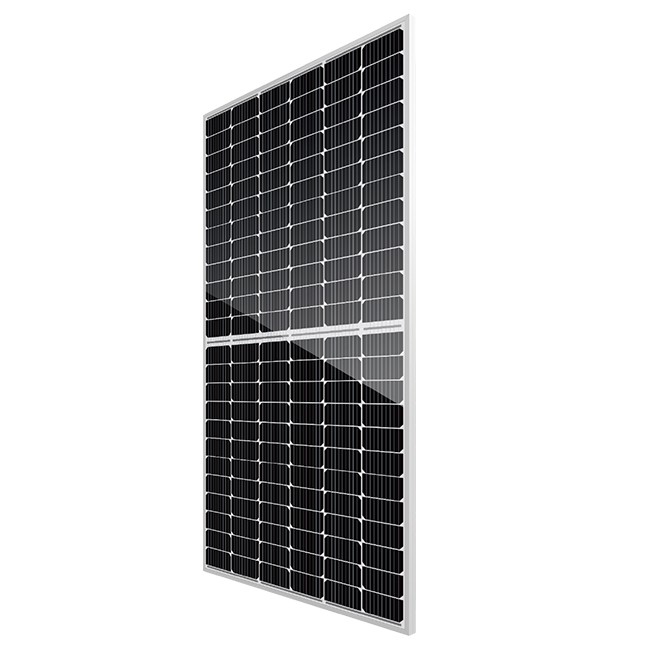

Understanding Lightweight Solar Panels
Lightweight solar panels are designed to be significantly lighter than traditional solar panels, making them ideal for a wide range of applications, including RVs, boats, off-grid cabins, and portable power stations. These panels are typically made using advanced materials and manufacturing techniques that reduce their weight without compromising on performance. Some of the key features of lightweight solar panels include:
- Portability: Lightweight solar panels are easy to carry and transport, making them suitable for outdoor activities and mobile applications.
- Flexibility: Many lightweight solar panels are flexible, allowing them to be installed on curved surfaces or irregularly shaped objects.
- High Efficiency: Despite their lightweight design, these panels can still achieve high levels of energy conversion efficiency, ensuring optimal power generation.
- Durability: Lightweight solar panels are built to withstand harsh environmental conditions, including extreme temperatures, moisture, and UV radiation.
Safety Features of Lightweight Solar Panels
When it comes to safety, lightweight solar panels are designed with several features to ensure reliable and secure operation. Here are some of the key safety features commonly found in these panels:
- Electrical Safety: Lightweight solar panels are equipped with built-in safety mechanisms to prevent electrical hazards, such as short circuits and overheating. These mechanisms include fuses, circuit breakers, and grounding systems, which help to protect the panels and the connected electrical devices from damage.
- Fire Resistance: Many lightweight solar panels are made using fire-resistant materials to minimize the risk of fire. These materials are designed to self-extinguish in the event of a fire, reducing the potential for damage and ensuring the safety of the users.
- Impact Resistance: Lightweight solar panels are designed to withstand impact and mechanical stress, making them suitable for use in outdoor environments. They are typically made using durable materials that can resist damage from hail, wind, and other environmental factors.
- UV Protection: Lightweight solar panels are treated with UV-resistant coatings to protect them from the harmful effects of sunlight. These coatings help to prevent the panels from deteriorating over time, ensuring their long-term performance and reliability.
Safety Standards and Certifications
To ensure the safety and quality of lightweight solar panels, they are subject to various safety standards and certifications. These standards and certifications are developed by international organizations and regulatory bodies to ensure that the panels meet specific safety requirements. Some of the most common safety standards and certifications for solar panels include:
- IEC 61730: This standard covers the safety requirements for photovoltaic modules, including electrical safety, fire safety, and mechanical safety.
- UL 1703: This standard is specific to photovoltaic modules used in the United States and Canada. It covers the safety requirements for electrical, mechanical, and fire safety.
- CE Certification: This certification indicates that the solar panels meet the safety, health, and environmental protection requirements of the European Union.
- TUV Certification: This certification is issued by TUV Rheinland, a leading testing and certification organization. It indicates that the solar panels have been tested and meet the relevant safety and quality standards.
Safety Considerations for Installation and Use
While lightweight solar panels are generally safe to use, it is important to follow some safety considerations during installation and use to ensure optimal performance and minimize the risk of accidents. Here are some key safety tips to keep in mind:
- Professional Installation: It is recommended to have lightweight solar panels installed by a qualified professional. A professional installer will have the necessary knowledge and experience to ensure that the panels are installed correctly and safely.
- Proper Ventilation: Lightweight solar panels generate heat during operation, so it is important to ensure proper ventilation to prevent overheating. Make sure that the panels are installed in a well-ventilated area and that there is sufficient space between the panels and any surrounding objects.
- Regular Maintenance: Regular maintenance is essential to ensure the long-term performance and safety of lightweight solar panels. This includes cleaning the panels regularly to remove dirt and debris, checking the electrical connections for tightness and corrosion, and inspecting the panels for any signs of damage.
- Safe Handling: When handling lightweight solar panels, it is important to follow proper safety procedures. Wear appropriate protective gear, such as gloves and safety glasses, and avoid touching the electrical connections or exposed wires.
Comparing Lightweight Solar Panels with Conventional Solar Panels
When considering the safety of lightweight solar panels, it is important to compare them with conventional solar panels. While both types of panels are designed to generate electricity from sunlight, there are some differences in their safety features and performance. Here are some key points to consider:
- Weight and Portability: Lightweight solar panels are significantly lighter and more portable than conventional solar panels, making them easier to install and transport. This can be particularly beneficial for applications where weight and space are limited, such as RVs and boats.
- Installation Requirements: Lightweight solar panels are generally easier to install than conventional solar panels, as they do not require heavy mounting structures. This can reduce the installation time and cost, as well as the risk of damage to the installation site.
- Performance and Efficiency: While lightweight solar panels may have slightly lower efficiency compared to conventional solar panels, they can still provide sufficient power for many applications. The performance of lightweight solar panels can be optimized by choosing the right panel size and orientation, as well as by using high-quality charge controllers and inverters.
- Safety Features: Both lightweight and conventional solar panels are designed with safety features to prevent electrical hazards and ensure reliable operation. However, lightweight solar panels may have additional safety features, such as flexibility and impact resistance, which make them more suitable for certain applications.
Conclusion
In conclusion, lightweight solar panels are generally safe to use, provided that they are installed and maintained correctly. These panels are designed with several safety features to prevent electrical hazards, fire, and other risks, and they are subject to various safety standards and certifications. When considering the safety of lightweight solar panels, it is important to compare them with conventional solar panels and to choose the type of panel that best suits your specific needs and requirements.
If you are interested in learning more about lightweight solar panels or are looking to purchase them for your next project, please feel free to contact us. Our team of experts is available to answer any questions you may have and to provide you with a customized solution that meets your specific needs and budget.